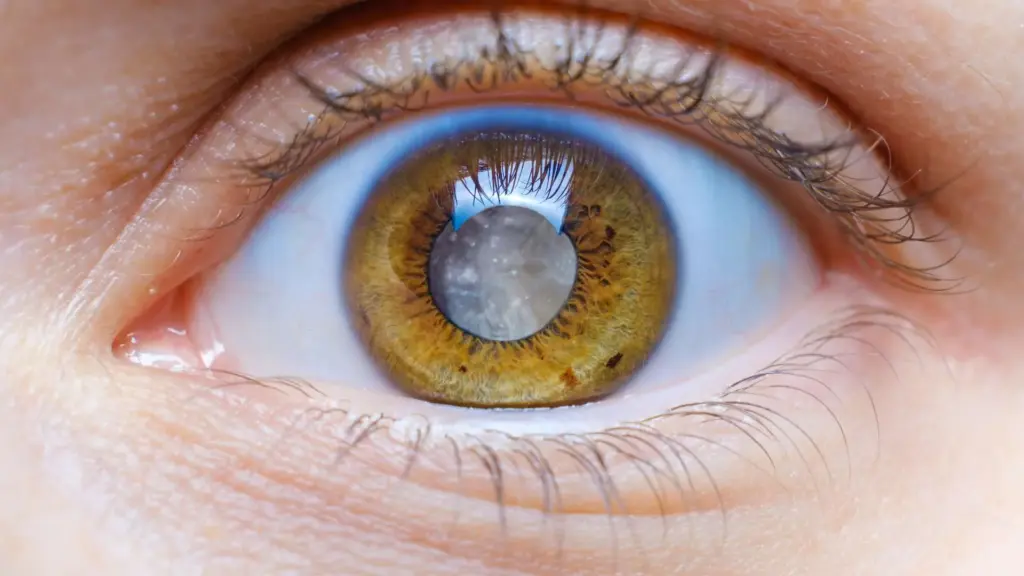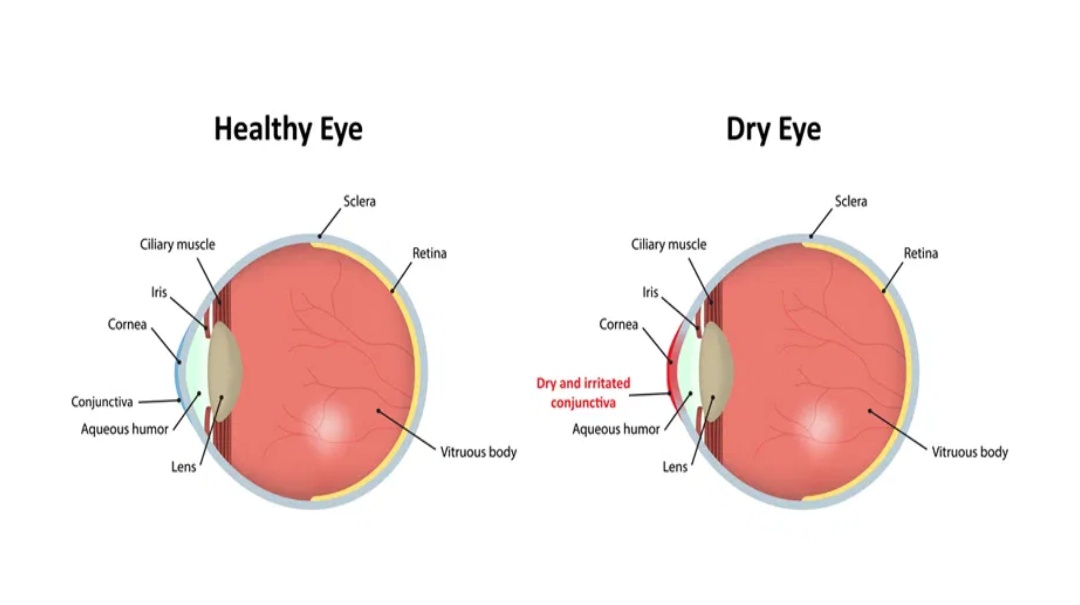
Dry eye syndrome occurs when the eyes do not produce enough tears, or when the tears evaporate too quickly. Tears are crucial not just for keeping the eyes moist, but also for providing nutrients and protecting against infections. When this balance is disrupted, it can cause symptoms like burning, stinging, redness, and blurry vision. Although dry eyes are often considered a minor issue, untreated cases can impact overall eye health and quality of life. With increasing digital use and urban lifestyles, this problem is becoming more common across all age groups.
The Link Between Screen Time And Eye Strain
Extended use of digital devices such as smartphones, laptops, and tablets significantly reduces the blink rate. Normally, people blink about 15 – 20 times per minute, but this drops to about 5-7 times when focusing on screens. This reduced blinking causes tears to evaporate faster, leaving the surface of the eye dry. Prolonged screen exposure can also strain the ocular muscles, worsening discomfort. In modern work and education environments, where screen dependency is unavoidable, this has become one of the biggest contributors to chronic dry eye problems.
Lifestyle Habits That Worsen Dry Eye
Certain lifestyle choices can make individuals more prone to dry eye symptoms. For example:
- Smoking can damage tear quality and increase eye irritation.
- Excessive caffeine or alcohol intake leads to dehydration, which in turn reduces tear production.
- Irregular sleep schedules disrupt the natural repair mechanisms of the eyes.
Environmental Triggers Like Air Conditioning, Pollution etc.
External surroundings play a major role in how eyes feel throughout the day. Air conditioning and heating systems reduce humidity levels indoors, causing tears to evaporate faster. Outdoor factors like dust, smoke, and pollution also irritate the eyes, leading to inflammation and dryness. Many urban environments, particularly in industrial or high-traffic areas, expose people to pollutants that exacerbate these symptoms. Even something as simple as sitting under a ceiling fan for long periods can worsen dryness.
The Role Of Sleep And Hydration In Eye Health
A consistent sleep schedule gives the eyes time to rest and replenish tear film. Inadequate sleep can not only worsen dryness but also cause red and swollen eyes. Proper hydration is equally important. Since tears are primarily water-based, dehydration quickly leads to inadequate tear production. Drinking sufficient fluids throughout the day helps maintain a stable tear film. Together, sleep and hydration form the foundation of natural eye health, and disruptions in either can magnify symptoms of dry eye, especially in people already experiencing strain from digital use.
Diet And Nutrition
Nutrients play a critical role in eye health. Omega-3 fatty acids, found in foods like salmon, flaxseeds, and walnuts, have anti-inflammatory properties that improve tear quality. Antioxidants such as vitamins A, C, and E protect the eye’s surface from oxidative stress, which can worsen dryness. A balanced diet also supports overall immune health, reducing the chances of secondary infections that dry eyes are prone to. In cases where diet alone is insufficient, supplements can be considered, but they should be used under medical supervision.
Preventive Measures For Screen Users
People who spend long hours on screens can take small steps to reduce discomfort.
- Follow the 20-20- 20 rule: every 20 minutes, look at something 20 feet away for 20 seconds.
- Adjust screen brightness and position to reduce glare and strain.
- Use artificial tears or lubricating drops to replenish moisture when needed.
- Incorporate short breaks during work or study sessions.
These preventive measures may not eliminate dry eye completely, but they significantly reduce the intensity of symptoms for those with heavy digital exposure.
While home remedies and preventive steps are useful, some cases of dry eye require medical care. India has several centers for ophthalmology, but Chandigarh has emerged as one of the leading cities for eye care. With its advanced medical infrastructure, experienced specialists, and modern diagnostic facilities, patients receive both accurate evaluation and targeted therapy. Those looking for reliable options often turn to the best dry eye treatment in Chandigarh, as it combines expertise with technology-driven approaches for better results.
When To Seek Professional Help For Dry Eyes
Persistent symptoms like burning, severe redness, sensitivity to light, or blurred vision should not be ignored. These may indicate a more serious form of dry eye that requires treatment. Eye specialists may recommend prescription medications, specialized contact lenses, or procedures to block tear drainage, depending on the severity. Timely consultation helps prevent long-term complications such as corneal damage.