
Why Hayati Became the Brand UK Vapers Actually Stayed Loyal To
Brand loyalty in vaping used to be a joke. People bought whatever flavour caught their eye from whichever corner shop was closest. The product was disposable. The relationship with the brand was too. Nobody collected Elf Bars the way sneakerheads collect Jordans. You used it, binned it, and grabbed a different one next time. Loyalty didn’t exist because the product didn’t require it. Then the disposable ban hit on 1 June 2025, and suddenly brand loyalty mattered.
The Loyalty Problem
When disposables disappeared from shelves, every vaper in the country had to make a choice. Which brand do I follow into the post-ban world? Not every disposable brand made the transition cleanly. Some launched rushed prefilled kits that felt cheap. Others repackaged existing hardware with new branding and hoped nobody noticed. A few didn’t bother making the jump at all and quietly vanished.
Hayati did something different. They built a product ecosystem that made switching away from the brand genuinely inconvenient. Not in a hostile, locked-in way. In a way that just worked well enough that you never bothered looking elsewhere.
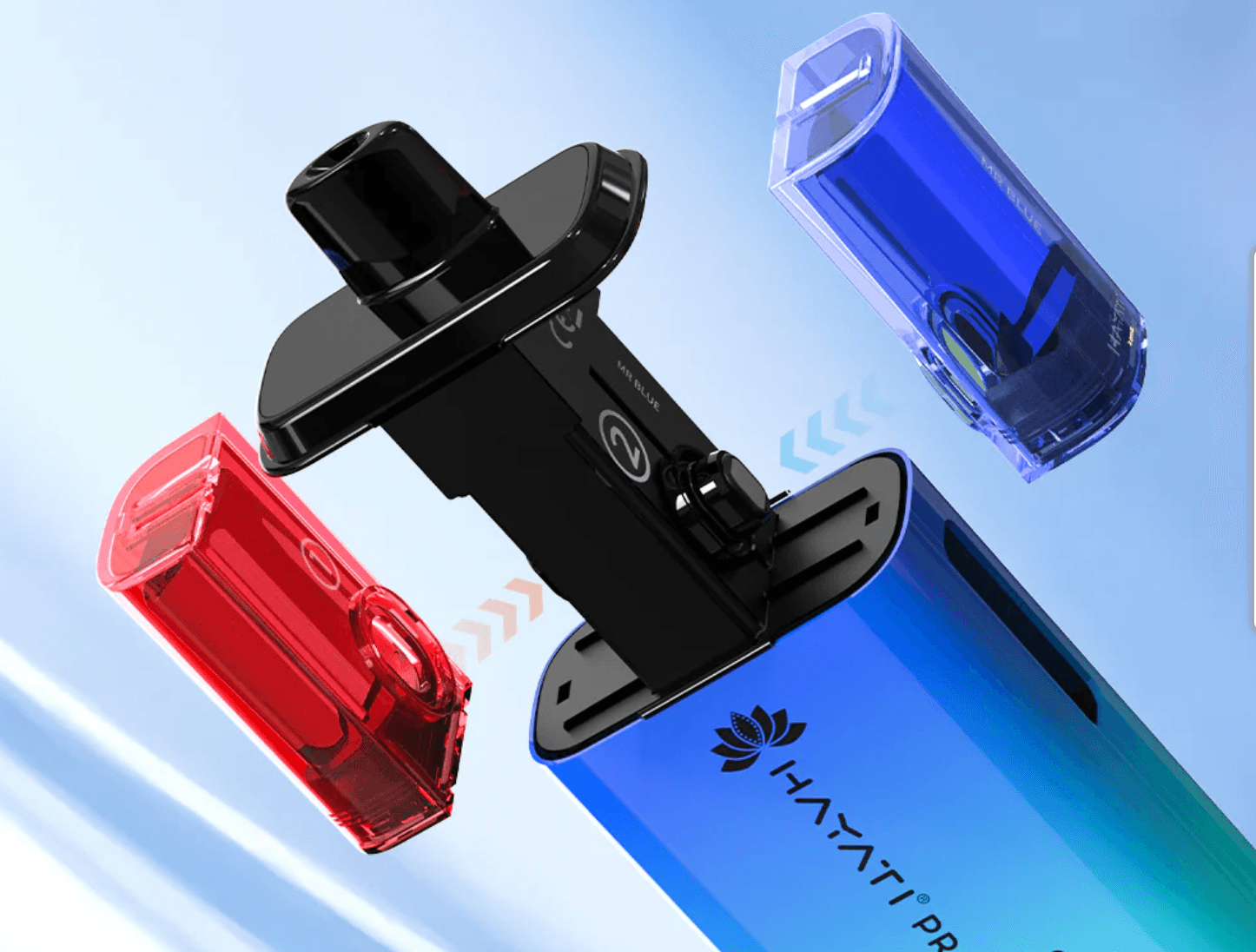
The centrepiece of that ecosystem is the refill pod system. Hayati Pro Ultra refills are designed to slot into the Pro Ultra kit and nothing else. You buy the kit once. Then you keep buying the pods. The flavour range is wide enough that you don’t run out of options, and the pods themselves are priced to undercut buying a new kit every time you fancy a different taste.
What Hayati Understood About Former Disposable Users
Most disposable vapers shared three characteristics. They wanted zero maintenance. They wanted strong flavour from the first puff to the last. And they wanted to spend under a tenner at the point of purchase.
Hayati’s refill system hits all three. No coils to change. No liquid to pour. No settings to adjust. The flavour consistency across their pod range is noticeably even, which matters more than people think. One of the biggest complaints about early prefilled systems was that flavour quality varied wildly between pods, even within the same brand. You’d get a great watermelon pod followed by a dull mango that tasted like it had been sitting in a warehouse for six months.
Hayati seems to have quality control tighter than most. Whether that holds as they scale production is another question entirely. But through 2025 and into early 2026, the consistency has been a genuine differentiator.
The Numbers Behind the Growth
Hayati’s Pro Ultra range moved from niche to mainstream in about four months. Search data tells the story clearly. The term “hayati pro ultra” pulls over 26,000 monthly searches in the UK alone. For context, that puts it ahead of search volume for several established vape brands that have been around for years.
What makes that figure interesting is where those searches lead. They don’t lead to information pages. They lead to product listings. People aren’t searching “what is Hayati Pro Ultra” as a curiosity question. They’re searching for it to buy refill pods. That’s transactional intent at scale, which is exactly the kind of demand that keeps a brand relevant once the initial hype fades.
The refill model also creates a recurring revenue stream that disposables never offered to retailers. A customer who buys a Hayati kit comes back for pods. Then comes back again. Then again. As Baddiehub has explored in its coverage of how consumer habits are shifting across health and wellness categories, the brands that win long-term are the ones that build habits, not just transactions. Hayati’s pod ecosystem does exactly that.
The Tax Factor
There’s an incoming pressure point that could actually benefit Hayati further. The UK government’s excise duty on e-liquids arrives in October 2026. Every 10ml of vape liquid, whether in a bottle or a prefilled pod, will carry a £2.20 tax.
For loose e-liquid brands, that’s a significant price increase on what are currently very cheap products. A £3.99 bottle of nic salt becomes roughly £6.19 overnight. For prefilled pods, the tax still applies but the convenience factor absorbs the sting. People who are already paying a premium for prefilled convenience won’t blink at an extra couple of quid. People who chose refillable kits specifically because they were cheap might reconsider when the price gap narrows.
This is where Hayati’s positioning gets clever. Their prefilled pods sit in a sweet spot between disposable convenience and refillable value. Not the cheapest option per puff, but not far off. And when the tax compresses pricing across the board, the gap between “cheapest” and “most convenient” gets small enough that convenience wins.
Where It Goes From Here
Hayati isn’t the only brand playing this game. Lost Mary has the Nera range. SKE has the Crystal lineup. IVG has its 2400 system. The prefilled pod market is getting busy fast, and shelf space, both physical and digital, is finite.
The brands that survive the next eighteen months will be the ones where customers keep buying refill pods without thinking about it. That’s a habit loop, not a marketing campaign. As Baddiehub has covered in its look at how wellness routines become automatic, the products that embed themselves into daily life are the ones with staying power. Hayati seems to understand this. Whether the execution holds as competition intensifies is the only question left.