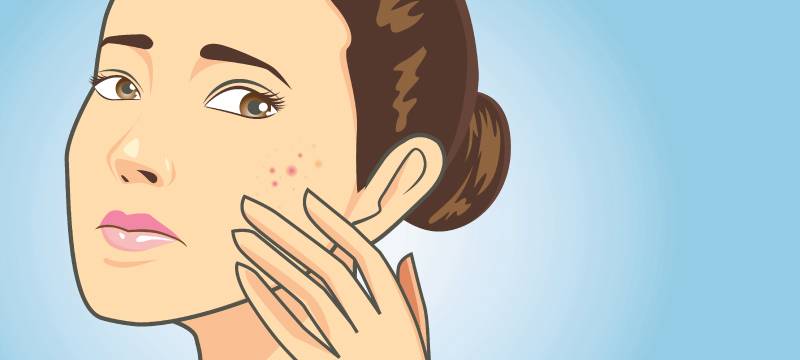
Acne is one of the most common skin conditions worldwide, yet it remains one of the most frustrating. For some people, it appears in adolescence and fades in early adulthood. For others, it lingers well into later life, with flare-ups appearing at the most inconvenient times. While genetics and hormones play a big role, lifestyle choices and everyday habits also contribute more than many people realise. Small changes in your daily routine can sometimes have a surprising effect on your skin.
Touching Your Face Too Often
Most of us touch our faces without thinking, whether resting a hand on the chin or absentmindedly picking at a blemish. Unfortunately, this habit transfers dirt, oil and bacteria from the hands onto the skin. Over time, this can clog pores and make existing breakouts worse. While it is easier said than done, training yourself to avoid touching your face unnecessarily can reduce irritation and support clearer skin.
Over-Washing Or Scrubbing
It might seem logical that washing your face more often will keep acne away, but excessive cleansing has the opposite effect. Harsh scrubs or frequent washing can strip away natural oils, leading the skin to produce even more sebum to compensate. This cycle can increase breakouts and leave skin red and inflamed. A gentle cleanser used twice daily is usually enough, and over-washing is best avoided.
Using The Wrong Skincare Products
Not all skincare products are created equal. Heavy creams, fragranced products or oils can clog pores, especially if labelled as comedogenic. Choosing products marked “non-comedogenic” or designed for acne-prone skin helps reduce the risk of flare-ups. Similarly, layering too many products at once can overwhelm the skin, causing irritation. Keeping skincare simple, consistent and suited to your skin type is key.
Not Cleaning Pillowcases And Towels Regularly
Pillowcases, towels and even makeup brushes can collect oil, bacteria and dead skin cells. Sleeping on the same pillowcase for too long or using the same towel repeatedly can reintroduce bacteria to the skin, contributing to breakouts. Washing pillowcases weekly and ensuring towels and brushes are cleaned regularly is a simple but effective habit to support better skin health.
Diet And Lifestyle Factors
While diet is not the sole cause of acne, studies suggest that high-glycaemic foods, sugary snacks and dairy can worsen breakouts in some people. Similarly, smoking and excessive alcohol consumption can reduce skin health and slow the healing process. Paying attention to what triggers your flare-ups and adjusting your diet or lifestyle accordingly can make a noticeable difference.
Stress And Lack Of Sleep
Stress is well known to affect acne by increasing cortisol levels, which stimulate oil production and inflammation. Lack of sleep has a similar impact, leaving the skin looking tired and more prone to breakouts. Creating a consistent sleep routine and finding ways to manage stress, whether through exercise, mindfulness or relaxation techniques, is a worthwhile investment for your skin.
Overuse Of Acne Treatments
Ironically, trying too many acne treatments at once can backfire. Using multiple strong products can irritate the skin barrier, making breakouts worse rather than better. Patience is important, as most treatments take time to show results. If over-the-counter products are not working, it is better to seek professional dermatology advice than to keep experimenting with harsher routines.
Why Professional Treatment Still Matters
While changing habits can reduce flare-ups, acne is ultimately a medical skin condition. For moderate to severe cases, or for patients who have tried multiple home remedies without success, professional dermatology treatments provide the most reliable results. Dermatologists can identify the type of acne, rule out other skin conditions and recommend tailored solutions.
Advanced options such as ClearSkin acne laser treatment are particularly effective. Unlike creams or tablets, this non-ablative laser targets acne at its source. It penetrates the skin to destroy acne-causing bacteria, reduce oil production and stimulate collagen to help repair damage. Treatments like ClearSkin are performed in medical settings by trained professionals, giving patients a safe and evidence-based way to manage acne long-term.
Small Changes, Big Impact
Everyday habits may seem minor, but when combined with the right dermatology treatment plan, they can help prevent breakouts and improve results. Paying attention to your routine, skincare choices and lifestyle can reduce the frequency and severity of acne. For anyone struggling with persistent flare-ups, combining small daily improvements with professional care offers the best chance of achieving and maintaining clearer skin.