Do Sunglasses Really Protect Your Eyes? Everything You Need to Know
Here’s something that blew my mind: 90% of eye damage from the sun happens before you turn 18. But only 2 out of 10 parents actually make their kids wear sunglasses. Crazy, right?
If you’re into fashion like me and want to look amazing while keeping your eyes safe, you’re in the right place. I’ve been obsessing over this topic for years – partly because I love stylish eyewear, and partly because my optometrist scared me straight with some pretty harsh facts about UV damage.
So let me break down everything I’ve learned about sunglasses protection. No boring medical jargon, just the real deal.
You’ll find out:
- Why UV rays mess up your eyes (it’s honestly terrifying)
- The 3 types of sunglasses that are basically useless
- My personal method for finding cute glasses that actually work
- Why spending more money doesn’t always mean better protection
Ready? Let’s dive in.
How Sunglasses Actually Keep Your Eyes Safe
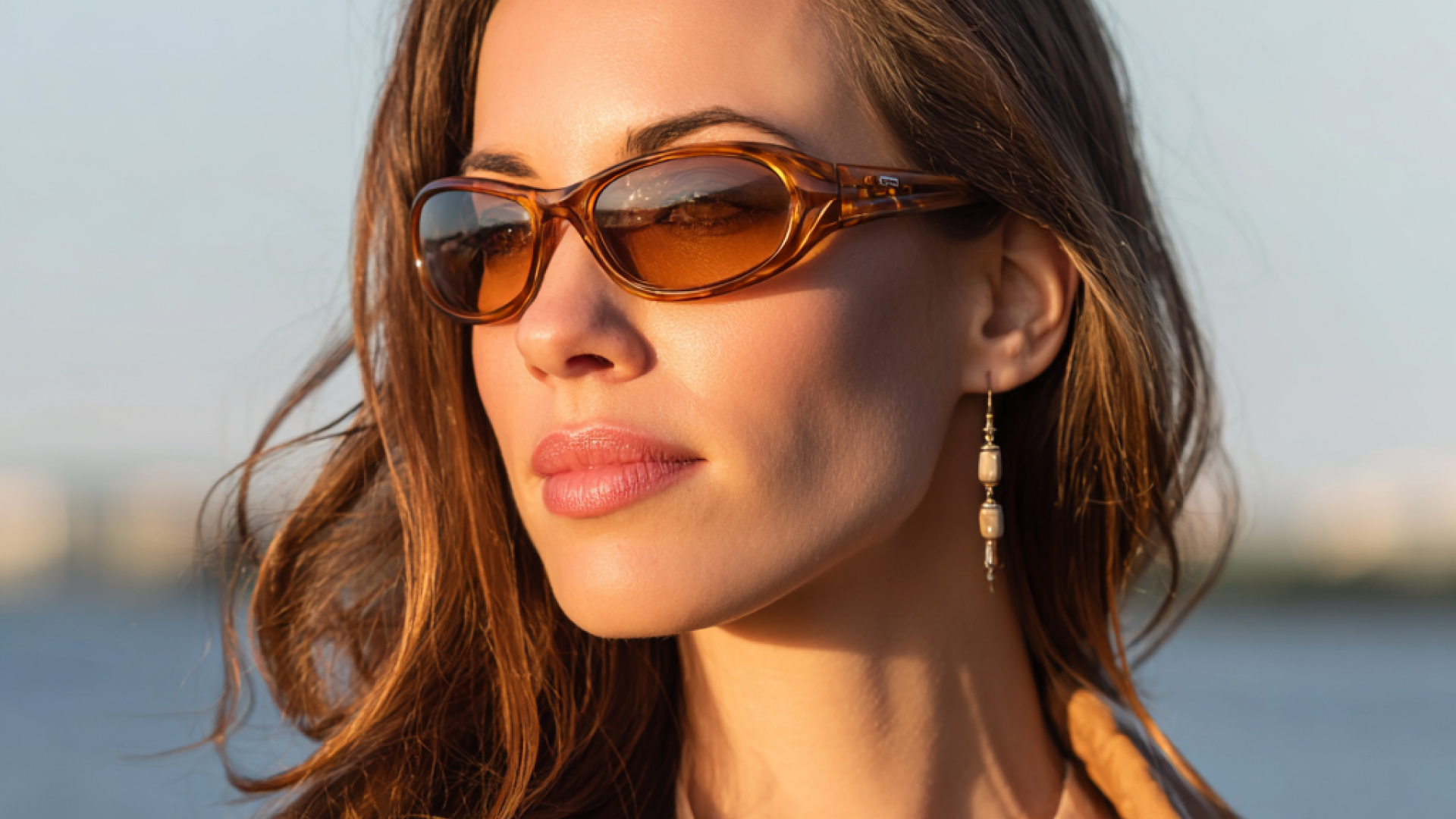
Think about sunglasses like sunscreen, but for your eyeballs. The thing is, lots of sunglasses don’t actually do this job.
Real protection happens inside the lens. Some materials, like polycarbonate, naturally block UV rays. Others need a special coating added during manufacturing.
This coating creates an invisible shield. Regular light gets through fine, but harmful UV radiation bounces right off. It’s basically the same idea as putting SPF on your skin.
The Two Bad Guys: UVA and UVB
There are two types of UV rays that want to wreck your eyes:
- UVA rays: These sneak deep into your eye and cause problems you won’t notice for years
- UVB rays: These burn your eyes right away (think snow blindness)
Both are terrible for you. Good sunglasses block 99-100% of each type.
What Really Happens When UV Hits Your Naked Eyes?
This damage builds up slowly. You might feel fine today, but problems are brewing behind the scenes.
Immediate Stuff That Hurts
Photokeratitis sounds fancy, but it’s just a sunburned eyeball. I’ve seen this happen to friends who went skiing without proper eye gear. The symptoms suck:
- Your eyes feel like someone threw sand in them
- Everything gets blurry and red
- Tears won’t stop flowing
- Even dim light feels like torture
One guy I know couldn’t open his eyes for two whole days after this happened. Not fun.
The Scary Long-Term Problems
Years of UV exposure can really mess you up:
Cataracts: Your eye lens gets cloudy. This causes more blindness worldwide than anything else.
Macular Degeneration: The back part of your eye gets damaged. Reading becomes impossible, and you can’t see details anymore.
Pterygium: A gross fleshy bump grows on the white part of your eye. It can actually block your vision if it gets big enough.
Eyelid Cancer: The skin around your eyes is super thin and sensitive. Cancer is way more common than people realize.
My aunt got eyelid cancer from years of tanning without eye protection. The surgery left a permanent scar, and she wishes someone had warned her earlier.
3 Types of “Protective” Sunglasses That Are Actually Dangerous
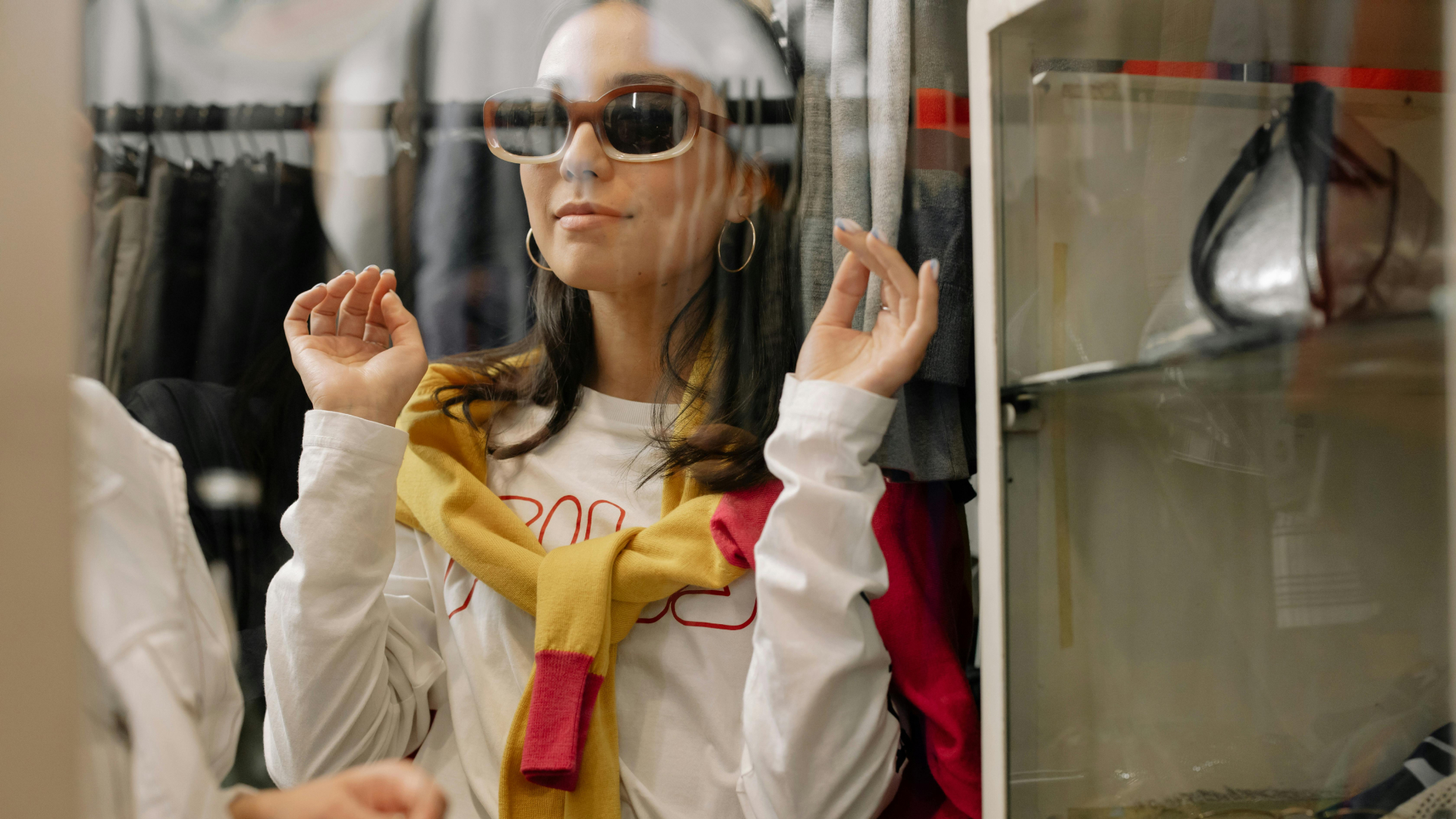
Before I tell you what works, let’s talk about what doesn’t. These sunglasses might seem protective, but they’re not helping:
1. Super Dark Lenses That Don’t Block UV
This one shocked me when I first learned it. Dark sunglasses without UV protection are actually worse than wearing nothing.
Here’s why: When you put on dark glasses, your pupils get bigger to let in more light. If those lenses aren’t blocking UV rays, way more radiation hits your eyes than if you wore nothing at all.
I made this mistake with a cheap pair from a gas station. They were so dark I felt totally protected. Turns out they had zero UV coating. My eyes were getting fried while I thought I was being smart.
2. Expensive Designer Glasses Without Protection Labels
Price means nothing when it comes to UV protection. I once tested $400 designer frames that blocked less UV than $15 drugstore sunglasses.
Always look for protection labels, even if you’re dropping serious cash.
3. Your Old Sunglasses (Even the Good Ones)
UV coatings wear off over time. Those awesome sunglasses from the 80s or 90s probably used coatings that break down. Even if they worked great when new, they might be useless now.
My mom had this beautiful pair from 1985 that she swore by. When we tested them, they were blocking maybe 30% of UV rays. She was heartbroken but bought new ones immediately.
How to Check if Your Current Sunglasses Actually Work
Want to know if your sunglasses are doing their job? Here are three ways I test mine:
Method 1: Hunt for Labels
Look for these exact words:
- “100% UV protection”
- “UV 400”
- “100% protection against UVA and UVB”
No label? Your sunglasses probably aren’t protecting you.
Method 2: Get Them Tested Professionally
Most eyeglass shops have a machine called a photometer that tests UV protection. Takes about 30 seconds, and lots of places do it for free.
I do this for any sunglasses I’m not sure about. It’s the only way to know for certain.
Method 3: The Phone Screen Trick (Polarization Test Only)
This won’t tell you about UV protection, but it shows if polarized lenses are real. Look at your phone through the sunglasses and tilt your head. Real polarized lenses make the screen go completely black.
Remember: Polarization cuts glare but doesn’t block UV. You need both features for complete protection.
My Personal System for Finding Stylish Sunglasses That Actually Protect
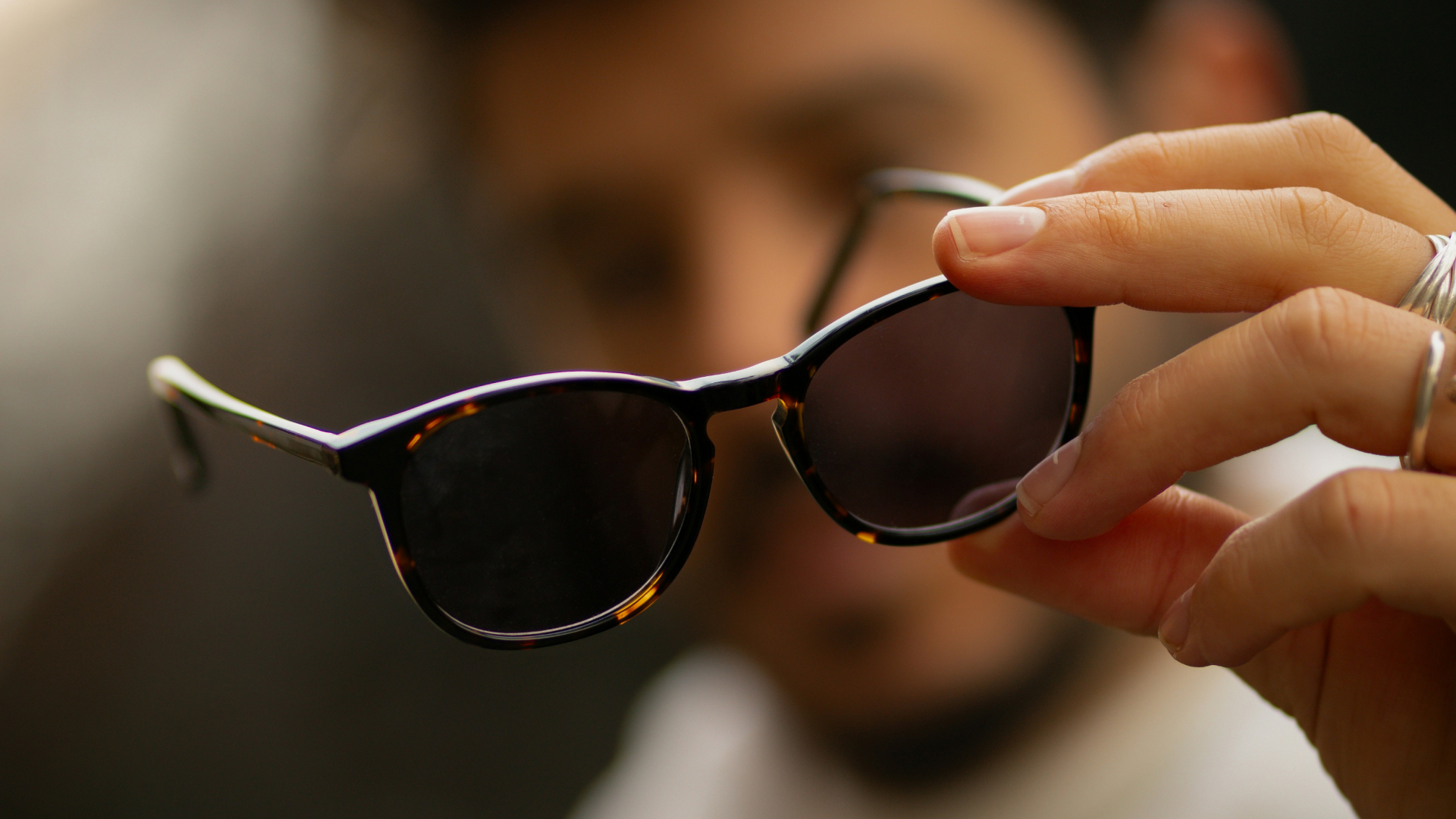
I’ve tried probably 100 different pairs over the years. Here’s the exact process I use now to find sunglasses that look great and keep my eyes safe:
Step 1: Protection First (No Compromises)
Before I even think about how they look, any sunglasses I consider must have:
- 99-100% UVA and UVB protection (confirmed)
- Impact-resistant lenses
- Good fit with no side gaps
Style doesn’t matter if your eyes get damaged.
Step 2: Pick Your Lens Material
Polycarbonate: UV protection built right in, super light, won’t shatter. Perfect if you’re active.
Glass: Crystal clear vision, scratches are rare. Heavy though.
Plastic: Light and cheap. Needs UV coating added.
I usually go with polycarbonate. You get amazing protection without the weight, which matters when you’re wearing them all day.
Step 3: Choose Colors That Make Sense
Lens color affects both style and function:
Gray: Everything looks natural, just dimmer. Best for most situations.
Brown: Makes things look more contrasted. Great for driving and outdoor sports.
Green: Good balance that doesn’t change colors too much.
Yellow/Orange: Helps you see better in fog or low light. Terrible for bright sunny days.
Skip super light tints if you want real sun protection. They might look trendy, but they won’t help your eyes in bright light.
Step 4: Think About Extra Features
Polarized Lenses: Must-have if you’re around water, snow, or wet roads. Cuts glare like nothing else.
Wrap-Around Design: Stops UV rays from sneaking in the sides. Essential for beach days or mountain activities.
Gradient Lenses: Dark on top, lighter on bottom. Nice for driving, but less overall protection.
Do Fit Over Sunglasses Protect Your Eyes?
Finding Fit over sunglasses that look incredible AND actually protect your eyes is harder than it should be. That’s why I was so excited to discover Myliiawear.
This brand gets something most companies miss: fashion lovers shouldn’t have to choose between looking good and protecting their vision.
Every single pair from Myliiawear comes with real UV400 protection. Not as an upgrade or add-on – it’s standard. Their designers actually work with eye protection experts to make sure each style meets serious safety standards while delivering the looks you want.
I’ve personally worn Myliiawear Men’s Fit Over Sunglasses, and honestly, the quality impressed me. The UV protection is legit, the build quality is solid, and the styles actually keep up with current trends.
Plus, they understand that different face shapes need different styles. Their range covers pretty much everyone without making you compromise on protection.
Matching Your Sunglasses to What You’re Doing
Your eyewear needs change based on your activities. Here’s how I match my glasses to different situations:
Beach and Pool Days
Water bounces up to 15% of UV rays right back at your face. You need:
- Maximum UV protection (100% UVA/UVB)
- Polarized lenses to kill the glare
- Secure fit that won’t fall off when you dive
- Water-resistant coating that won’t streak
Driving Around Town
For the smoothest driving experience:
- Polarized lenses (but check they work with your car’s screens first)
- Gray or brown tints work best
- Good side vision
- Anti-reflective coating on the inside of lenses
Snow Sports and Mountain Adventures
Snow reflects up to 80% of UV rays. That’s insane exposure. You absolutely need:
- The highest UV protection you can find
- Side protection or wraparound style
- Impact-resistant lenses that won’t shatter
- Anti-fog coating so you can actually see
Daily Fashion Wear
For regular city life:
- 100% UV protection (always)
- Comfortable for wearing all day
- Scratch-resistant lenses
- Style that goes with your wardrobe
Can You Actually Wear Sunglasses Over Glasses?
If you need prescription glasses, you’ve got several options for UV protection:
Fit-Over Sunglasses: Made to go over regular glasses. Not the cutest option, but they work fine.
Clip-On Sunglasses: Attach right to your prescription frames. Way better looking than fit-overs.
Prescription Sunglasses: Custom-made with your exact prescription plus UV protection. Most expensive but looks the best.
Transition Lenses: Change from clear to dark automatically. Super convenient, but might not get dark enough in cars.
When you’re putting sunglasses over glasses, make sure both pairs fit without pinching. The outer sunglasses should still have proper UV protection since they’re doing the heavy lifting.
I have a friend who rocks this look all the time. She found the fit over that matched her regular frames perfectly, and honestly, they look intentional and stylish.
What’s the Deal with Blue Light Protection?
Everyone’s asking about blue light these days. Here’s what actually matters:
Blue light from screens probably won’t permanently damage your eyes. But it can cause:
- Tired, strained eyes after long computer sessions
- Sleep problems if you use devices before bed
- Headaches if you’re sensitive
If you want blue light filtering, look for sunglasses that specifically mention it. But remember, this is totally separate from UV protection. You need both for complete coverage.
Honestly, I’m more worried about UV damage from the sun than blue light from my laptop. The sun’s effects are proven and irreversible.
Red Flags That Your Sunglasses Aren’t Working
Watch out for these warning signs that your sunglasses are failing you:
- You still get headaches or eye strain in bright light
- You’re squinting even with sunglasses on
- Your eyes feel red and irritated after being outside
- You feel like closing your eyes, even with sunglasses
- Any vision changes after spending time in the sun
If this stuff happens regularly, get your sunglasses tested ASAP and probably buy new ones.
The Real Money Cost of Skipping Eye Protection
Cheap sunglasses might save you money today, but the long-term costs are brutal:
Cataract Surgery: $3,000-$5,000 per eye
Macular Degeneration Treatment: $2,000+ every year
Skin Cancer Treatment: $1,500-$15,000+, depending on how bad it gets
Losing Your Vision: You can’t put a price on this
Quality sunglasses with real protection cost $50-$200. That’s basically nothing compared to fixing UV damage later.
My friend’s dad needed both eyes done for cataracts. $8,000 total, plus weeks of recovery time. All because he never wore sunglasses during his construction career.
My Top 5 Sunglasses Success Tips
After years of testing and making mistakes, here’s what actually matters:
- Shop at real stores: They’re way more likely to sell glasses that actually do what they claim.
- Test everything: Get UV protection verified, especially for pricey pairs or older ones.
- Fit is everything: Sunglasses sliding down your nose can’t protect anything.
- Own multiple pairs: Different activities need different features. One pair can’t do it all perfectly.
- Replace damaged glasses: Scratched lenses might lose their protective coatings.
Bottom Line: Your Eyes Are Worth Protecting
Yes, sunglasses absolutely protect your eyes – but only if you pick the right ones. The trick is finding pairs that give you 100% UV protection plus the style you love.
Remember the important stuff:
- Always look for UV400 or 100% UVA/UVB labels
- Dark lenses without UV protection are actually dangerous
- Professional testing removes all the guesswork
- Brands like Myliiawear prove you can have style AND protection
Don’t wait to upgrade your eye protection. UV damage adds up over time, and once it’s done, you can’t undo it.