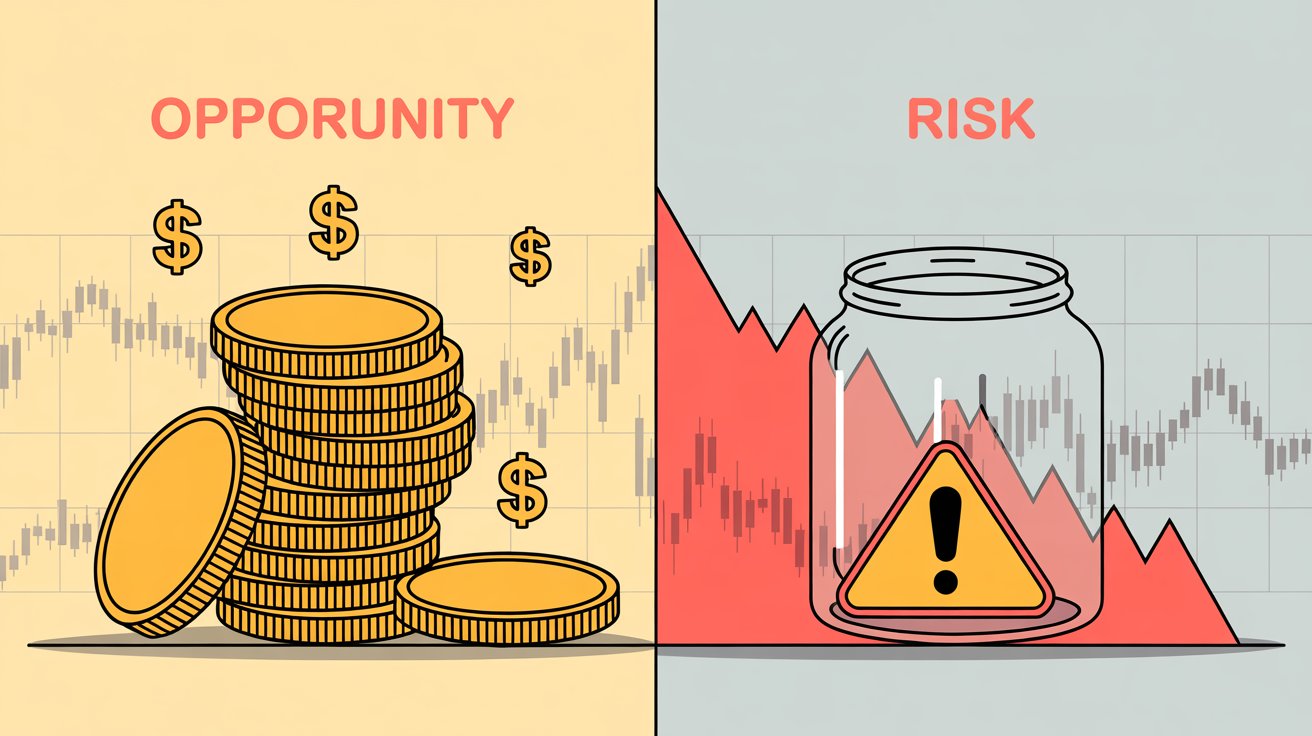
In the world of traditional finance, prime brokers act as indispensable allies for hedge funds and high-volume traders, offering everything from trade execution to risk management. As institutional interest in digital assets grows, the crypto space has developed its own version of this model — crypto prime brokerage. This emerging framework serves as the backbone for institutional crypto trading, aiming to provide seamless access, advanced execution tools, and trusted infrastructure for entities dealing with significant capital.
To meet institutional demands, prime brokers rely on a range of crypto services for prime brokers, including colocation, advanced sub-account structures, and high-speed connectivity, to streamline operations, manage custody, and access deep liquidity pools.
Crypto Brokerage Solutions and Challenges
Crypto prime brokerages cater primarily to institutional players — hedge funds, family offices, asset managers — who want exposure to crypto but don’t have the internal tools to manage execution, custody, and compliance in-house.
Key crypto brokerage solutions typically include:
- Trading and execution services. Through advanced platforms and smart order routing (SOR), these brokers help institutions tap into multiple exchanges, routing orders for optimal price execution. This is crucial in a market where prices swing in seconds and spreads can vary dramatically.
- Digital asset custody. Security remains one of the biggest concerns in crypto. Prime brokers offer institutional-grade digital asset custody with multi-signature wallets and essential features for firms handling millions or even billions in crypto assets.
- Crypto liquidity solutions. Some coins and tokens still suffer from thin order books. Prime brokers aggregate liquidity from multiple sources — centralized and decentralized — to reduce slippage and ensure smooth entries and exits for large orders.
- Risk management in crypto trading. Volatility cuts both ways. A robust prime broker assists with margining systems, stress testing, and credit risk analysis to help clients stay afloat even when the market goes sideways.
- Crypto compliance and regulation. The compliance landscape is a minefield. Leading firms invest heavily in regulatory reporting tools, KYC/AML systems, and jurisdictional expertise to help clients stay on the right side of evolving laws.
Despite their promise, crypto prime brokers face an uphill battle in terms of infrastructure and perception. For starters, liquidity fragmentation remains a major issue. Unlike traditional markets, digital assets are traded across hundreds of venues, each with its own depth and pricing. Aggregating that data and offering consistent execution is no small feat.
Moreover, regulatory ambiguity continues to cast a long shadow. With different regions enforcing wildly different rules — and some still playing catch-up — crypto compliance and regulation remain a moving target.
Another often overlooked challenge is transparency in execution. Institutional clients want clarity on how their orders are handled and whether there’s any conflict of interest. Lack of transparency can be a deal-breaker.
And then there’s centralization. Ironically, many of the current brokerage models operate more like traditional banks than DeFi-native entities. While this appeals to institutions seeking security, it also risks alienating those who value decentralization and on-chain transparency.
The Role of Prime Brokers in Institutional Crypto Trading
With more hedge funds and family offices entering the crypto arena, institutional crypto trading is rapidly evolving. Prime brokerages are the scaffolding behind this evolution, allowing these firms to scale while staying compliant and minimizing exposure.
Still, there are trade-offs. Some prime brokers lean toward conservative strategies, which may limit upside in fast-moving bull markets. Others may charge high fees due to the bundled nature of their services. And yet, for most institutional players, the benefits outweigh the downsides.
The stakes are high, and the hurdles are real. But as infrastructure matures and compliance frameworks become clearer, crypto brokerage solutions will become indispensable tools for risk-adjusted returns in an unpredictable yet promising market.