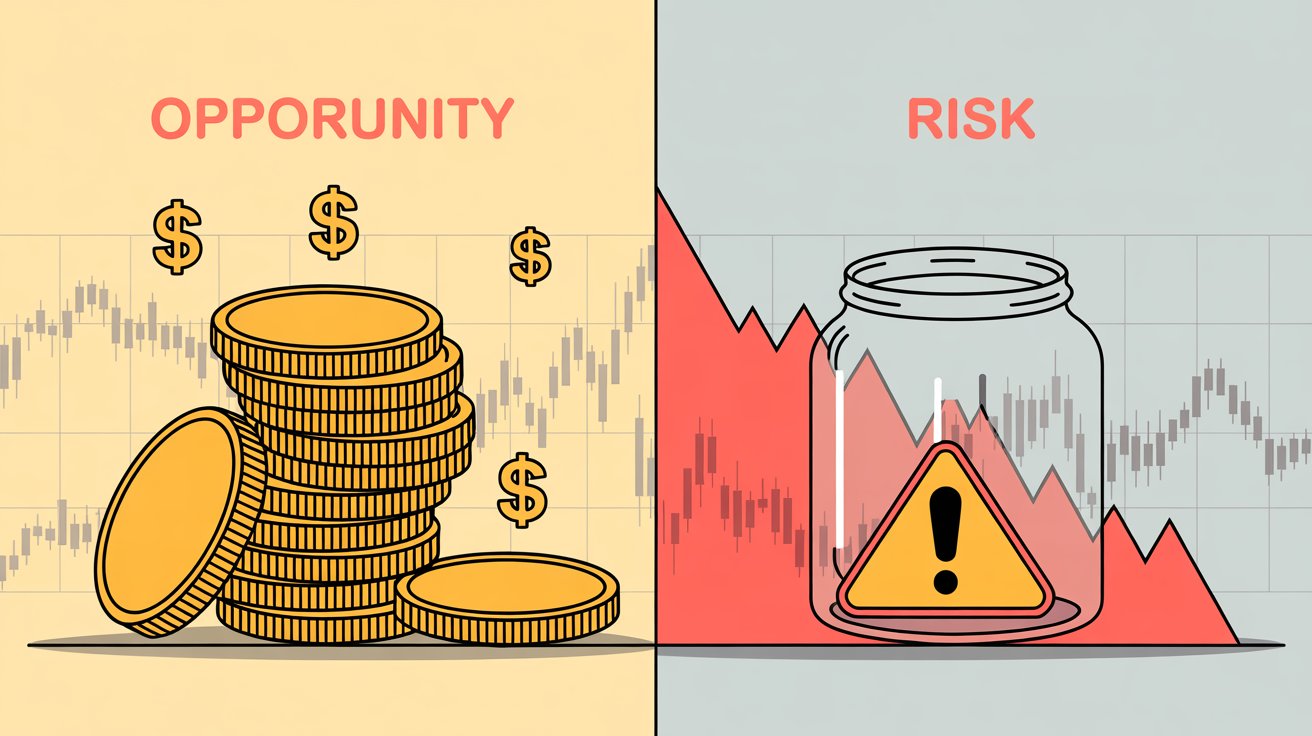
Why High Yields Can Be Misleading?
A double-digit yield can look like a gift. In truth, it often signals a problem. When a stock’s yield climbs sharply, it’s usually because its price has fallen—often for good reason. A business struggling with shrinking margins, heavy debt, or slowing sales might maintain a high dividend to keep investors interested, even as its fundamentals weaken.
The first thing seasoned investors check is the payout ratio. If a company distributes nearly all its profits, there’s no safety cushion. When earnings dip, the dividend becomes vulnerable. A ratio in the moderate range, backed by consistent free cash flow, suggests the company is paying from strength, not desperation.
Sector also matters. Stable industries such as utilities, telecom, and consumer staples tend to produce reliable income streams. Their products are used in any economy, making their dividends easier to sustain. By contrast, cyclical businesses — such as energy producers, mining firms, or shipping companies — may offer substantial yields when times are good but struggle to maintain them once prices fall.
It’s not the size of the yield that matters most. It’s the durability behind it.
Assessing Payout Sustainability in the Highest Dividend Yield Stocks
Understanding whether a dividend is safe requires looking beyond the numbers. Cash flow statements often reveal more than earnings reports. A company that consistently generates free cash, even after accounting for capital expenses, can afford to pay shareholders without borrowing or selling assets. Those who rely on debt to finance dividends are playing a dangerous game.
Balance sheet quality is another clue. A company with rising interest costs or large refinancing needs could face pressure when borrowing conditions tighten. Dividend coverage ratios, comparing earnings or cash flow to the total dividend payout, help reveal how easily those payments are funded. A ratio comfortably above one signals breathing room; anything below that should raise questions.
Investors should also study the management’s track record. Firms that have maintained or raised dividends through multiple business cycles often operate with long-term discipline. When leadership views dividends as part of the company’s identity rather than a temporary incentive, those payments are more likely to endure.
Sustainability isn’t just financial. It’s cultural. A board that respects shareholder trust will protect payouts, even if it means tightening costs elsewhere. On the other hand, management chasing short-term popularity might overextend itself to maintain appearances.
Balancing Income with Long-Term Stability
Chasing yield alone rarely ends well. A 5% payout that grows steadily can outperform a 10% yield that gets cut in half a year later. The compounding power of reinvested dividends relies on consistency, not extremes.
A smarter strategy involves blending moderate-yield stocks from diverse sectors. Companies with stable operations, manageable debt, and modest payout ratios provide income that investors can rely on during downturns. Reinvesting those dividends adds a quiet but powerful layer of growth that speculative trades often lack.
Patience is essential here. Dividend investing isn’t about instant gratification. It rewards those who understand business quality, not just numbers. Over time, the market tends to favor firms that return capital responsibly while maintaining enough flexibility to reinvest in their future.
The Real Value of a Reliable Dividend
A high yield may grab attention, but it doesn’t guarantee wealth. The best dividend stocks pay less than they could today to ensure they can keep paying tomorrow. That discipline separates a sustainable income stream from a short-lived illusion.
For investors, the ultimate goal is to find the most dependable one. In an unpredictable market, those steady, carefully managed payouts often turn out to be the most rewarding investment of all.