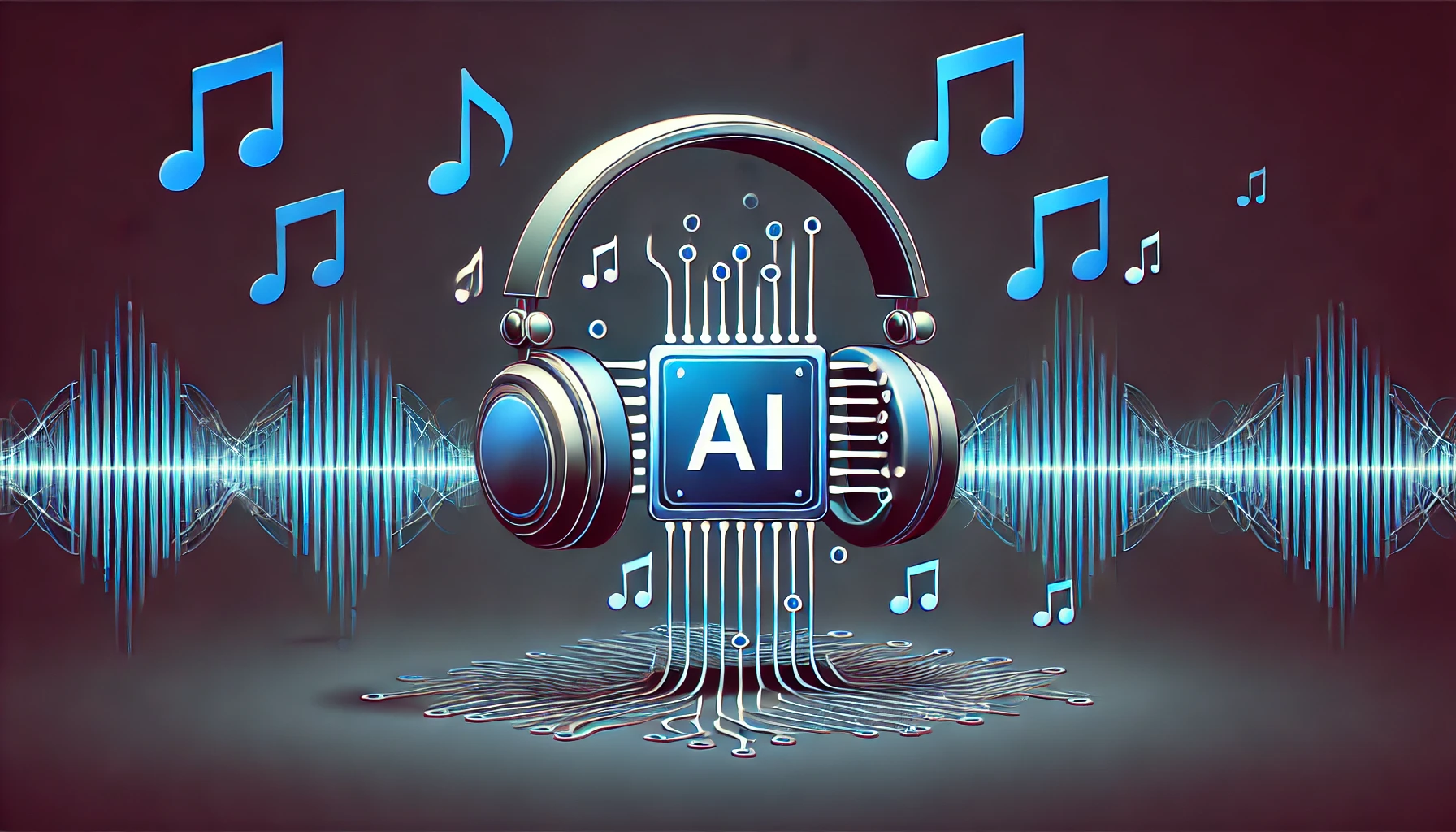
Artificial Intelligence technology is affecting all the phases of the music creation process, starting from how music is composed, to how it is produced, to how it is actually consumed. An AI Song Maker is able to make an entire song, including the instrumentation, lyrics, and melody, in a matter of minutes. This technology gives people the ability to do within mere seconds what used to take years of training, and required expensive, professional studios. A person’s song creation process can start simply by the user typing an idea into a digital interface.
AI technology is not meant to replace musicians; it is meant to give them more opportunities to expand creativity. AI technology tools aid beginners in the experimentation of sounds and allow for more refined and more conceptual work by experienced musicians. This transition is revolutionizing music production for all creators, no matter the category.
What is an AI Song Maker?
An AI Song Maker is a piece of software that employs machine learning algorithms to compose music automatically, or more simply, without human involvement. AI song makers work by “learning” the rhythmic, harmonical, and lyrical structures that exist in thousands of previously composed songs. AI Song Makers can compose music that is original if the user provides instructions, including genre, mood, or specific themes.
AI Song Makers, unlike traditional digital audio workstations (DAWs), do not require any technical or formal music training. AI Song Makers allow the user to focus on the music and not on the mixing, theories, or technologies that allows music to be produced. AI Song Makers have democratized the process of music creation like it has never been before.
How AI Song Makers Work
The AI trainers use neural networks based on huge datasets that allow them to find patterns in data, such as the structures of chord progressions in commercial music, or the structures of beats in genres like electronic dance music (EDM). When users enter prompts, the AI considers multiple components: the structure of the specified genre, the emotional scales of specified instruments, your chosen digital instruments, and the organization of your specified verses, choruses, and bridges. The AI will then provide a track that you are able to edit, export, and enhance.
Benefits of Using an AI Song Maker
Faster Production
The use of AI in music has greatly increased the speed of music production. Draft compositions have the potential of being made in a matter of seconds, range of options.
Accessibility for Beginners
Experimentation does not require one to have a long history of music knowledge or any at all. Due to the simplified nature of AI, students and hobbyists will feel at ease writing lyrics.
Creative Inspiration
Even established artists use AI to help them with writing songs as knowing what to write can help overcome blocks. AI can inspire fresh ideas by providing new structures, lyrics, or vocal themes, which can provoke new ideas and innovations.
Cost Efficiency
When a musical track is created, traditional music production typically incorporates Studio, Production, and Musician Fees. Drafts are produced by Artificial Intelligence, which raises the bar of initial expenses and guides idea revisions for completion.
Limitations and challenges
The lack of Emotion and Repetitiveness of certain tracks are a few of the limitations of AI. Machines are almost incapable of entirely replicating the human mind and the subtle cues involved.
With the Copyright and Ethical concerns, the use of AI Models encompasses and tunes existing songs. Policies should be straightforward and up to date as the use of the technology further advances.
Who uses AI song makers?
The use of AI music tools has been on the increase. This spans across different fields, including:
Content Creation with Focused Music
Game Design with Targeted Music
Advertising with Focused Music
Music Artists with Drafted Music
Students with Music Creation
The use of AI as Music Makers is becoming mainstream. It is being adopted into many creative processes.
The Future of AI in Music
The enhancement of artificial intelligence is likely to increase the expressiveness as well as the customization of AI song makers. Future plans include collaboration in real-time, instant feedback by users, and the ability to work with production software seamlessly.
Collaboration is the most encouraging possibility. While people focus on the narratives and emotional aspects, AI can take care of the mechanical elements. This combination opens the possibility of new genres and innovative textures that mesh technological accuracy with artistic construct.
Conclusion
The technology of AI song generators is changing music creation and distribution. The speed and accessibility create opportunities of scattered creativity. However, the challenges of originality and artistic integrity remain.
AI is not replacing artists. Instead, it acts as a powerful creative tool. It will be interesting to see how the balance of automation and human creativity will influence how music is composed with the advancements of this technology.