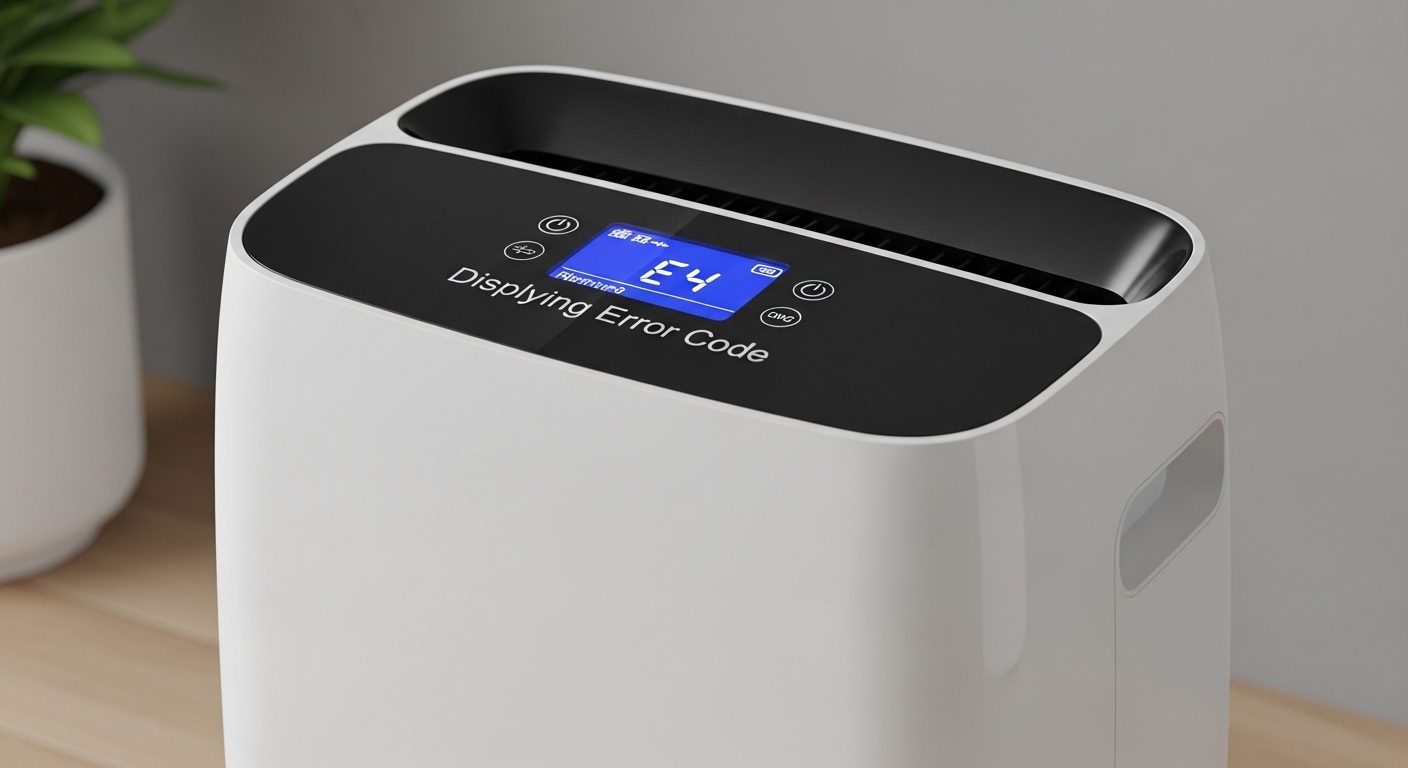
Site drying is serious business. Whether you’re drying out water damage or curing concrete, your site drying tools carry most of the load. Of course, sometimes tools break or develop problems.
The best way to prevent delays in your drying schedule is to stay on top of equipment issues. When something goes wrong, catch it quickly before the whole job suffers. Below are troubleshooting tips for some common problems you’ll encounter during site drying. There are others, but these are a good start.
Troubleshooting Common Site Drying Problems
The Unit Will Not Turn On
This is usually the first problem people notice on the job site. You go to turn it on… and nothing happens.
Check the obvious first. Make sure the power cord is plugged in all the way and that the outlet is live. Construction sites and restoration jobs are always turning off power strips and circuit breakers accidentally. Reset the breaker if needed and try again.
Three phase industrial units are slightly trickier. Make sure the wiring to the panel is correct. If one phase wire is flipped backwards or not connected at all, the unit will fail to start and damage the motor if run long enough. If you are unsure of yourself working with electrical three-phase power, contact a technician immediately. Guessing games with electricity usually do not end well.
Check the water bucket as well. Some units have a float switch that automatically turns off when the tank gets full. An overflowing bucket or one that is not seated correctly can prevent the unit from running. Dump it out and ensure it clicks into place when seated.
The Unit Runs but Does Not Collect Water
Running but not collecting water is one of the most aggravating problems. You know the unit is sucking air through the machine, but it isn’t working.
Usually this is caused by a dirty air filter. If enough dirt and dust clog the filter, it blocks air from passing over the cooling coil. No airflow across the coil means no moisture pulled from the air. Shut off the unit and remove the filter. Clean the filter with air pressure or replace it entirely. Cleaning the filter is usually enough to solve this problem.
Incorrect humidity setting is another issue. Sometimes folks accidentally set the desired humidity level higher than the current room humidity. The unit thinks it does not need to run and just sits in standby mode. Lower the humidity setting to at least 3 to 5 percent less than what the current room reads.
Leaks and gaps are a big problem on construction sites. Whether from windows left open, gaps in the walls, or doors not being fully closed, outdoor moisture will pour in relentlessly. Close everything up and seal walls with plastic if necessary. Once the outside air is kept out, your machine can work.
If none of these solve your problem, your unit may have a refrigerant leak. Place your hand near the air discharge vent. If the air isn’t slightly warm, your unit likely needs more refrigerant. Only a certified technician should handle refrigerant issues.
The Evaporator Coil Keeps Freezing Up
Ice building up on the evaporator coil usually indicates restricted airflow.
Dirty filters are number one again. Too little airflow will chill the coil past the point of freezing. Clean your filter and allow time for the ice to melt before restarting the unit.
Ambient temperature can also play a role. Dehumidifiers that use refrigerant technology do not perform well in temperatures below around 41 degrees Fahrenheit (5 Celsius). When drying in cold temperatures, consider using a desiccant dehumidifier instead.
Desiccant models use silica gel to remove moisture from the air and perform much better in cold temperatures. These units are also popular for indoor construction drying projects during winter.
Check the fan as well. If the fan motor is weak or failing, it will reduce airflow which in turn drops the coil temperature and causes freezing. If the fan sounds abnormal or turns slowly when manually spun, you should have it looked at before it completely fails.
Water is Leaking From Unit
Water leaking or pooling around the dehumidifier is no fun. Plus, it can ruin flooring or building materials.
The first thing to check is if the unit is sitting level. If tilted on its side, water may drip from the internal drain pan. Move the unit to level ground. If you’re using a continuous drain hose, make sure it isn’t kinked. If kinked, water cannot flow through the hose which causes backup and eventually leaks. Untwist the hose and clear any clogs. You may also want to make sure the hose drains downhill toward your drain point. Gravity doesn’t always push water a long way.
If your drying project has long hose runs, gravity may not be enough to force water out. Use a condensate pump to pump water towards your drain point. This lets you keep the system running without constantly emptying the bucket.
Unit Keeps Cycling On and Off
This can wear out the compressor of your unit over time.
In some cases, this is normal operation. A dehumidifier will shut off when it reaches the desired humidity level then turn back on when the humidity in the room rises. This is perfectly fine. However, if it’s turning on and off every few minutes… chances are it cannot reach the desired humidity because outside air is continually getting inside. The unit turns off, then as soon as it starts back up again more humid air floods the space. This is often due to poor sealing of the space.
Power supply can be an issue as well. Similar to the unit not turning on, intermittent power will cause your unit to turn off. Make sure all connections are snug and, if possible, plug into a dedicated circuit.
Case Study: Dehumidifier Not Extracting Moisture on Restoration Project
Dehumidifiers running but not collecting water? Find out how Paul Davis Restoration crews solved the problem.
Paul Davis Restoration is a USA-based water damage and restoration company. Their technicians are called to drying projects when water extraction and remediation just aren’t enough to prevent damage and mold. They specialize in restoring homes and businesses after disasters like flooding.
One question they often get on their help desks? Why isn’t my dehumidifier extracting water or drying my space?
Their real world tech reports reveal that major failures are relatively rare — but there are common conditions that can cause this issue. Most can be fixed through site prep or adjusting how units are running. Here’s what they learned:
Simple things like blocked filters/airflow were usually why dehumidifiers ran but drained little water.
- Incorrect humidity settings – or trying to dry air with too little moisture – were why units didn’t think there was anything to extract.
- Water leaking from machines, buckets not fitting properly, or sticky float switches were common reasons for dehumidifiers turning off suddenly.
- Refrigerant dehumidifiers had trouble extracting moisture in freezing temperatures until crews started using desiccant dehumidifiers.
Instead of trucking out non-working equipment, Paul Davis technicians are trained to verify filters, airflow, settings, placement, drainage before tossing in the towel.
Read the full case study (link to article that breaks down these steps in more detail): Dehumidifier troubleshooting and maintenance (Paul Davis Restoration & expert advice) https://dehumidifier.co.za/troubleshooting-tips-when-your-dehumidifier-is-not-collecting-water-and-how-to-fix-it/
FAQs: Troubleshooting Dehumidifiers That Won’t Work Properly on Drying Projects
Why does my dehumidifier run but not collect water?
Simply blocked airflow due to a dirty air filter, or poor environment (more on that below). The fan can’t push air over cold coils without pulling air through filter cartridges first. As a result: no condensation, and no water in the tank.
Can the humidity setting be too high?
Exactly. If ambient humidity is already low (< ~40 % RH) there may not be much water for your dehumidifier to collect. Set the dial too close to current humidity and it may never run.
Why is there ice forming on evaporator coils?
Air that’s too cold. Refrigerant dehumidifiers work great at mid/high humidity levels, but often struggle when running in cool temperatures (< ~5 °C / 41 °F). Frost can accumulate on coils and prevent airflow if your dehumidifier is pulling too much cool air from the space.
Water’s leaking from the dehumidifier…why?
If the unit isn’t level or drain hose is kinked – water can leak out of dehumidifiers instead of draining. Be sure the drain hose is properly seated and not bent or twisted. If your hose has a long run to travel, use a condensate pump instead.
Why does my dehumidifier keep turning itself on and off?
If the unit powers on for a few minutes then shuts off repeatedly, there could be outside air infiltrating the drying area. Drying professionals call this “mixed air” and results in poor drying progress. Doorframes/siding should be checked for air leaks. The target humidity level could also be too close to the current reading. Set humidity a few points lower than what’s shown on the display.
Does it make a difference if it’s cold outside?
Cold weather affects traditional refrigerant-based dehumidifiers more than desiccant models. If air coming through the air filter is too cold, condenser coils can frost over and won’t extract much moisture. Desiccant dehumidifiers do not have coils, so they don’t frost up in cold weather and dry better in winter.
How often should air filters be cleaned/replaced?
If air filters get too clogged with dust/debris airflow slows down. In heavy-duty restoration/dehumidifier jobs we recommend weekly filter maintenance or cleaning between shifts at minimum.
Is the power cable fully plugged into the unit? Is the electrical breaker turned on?
Humidity level may be set higher than room’s current humidity.
Could the float switch be stuck? Float switches detect when tanks are full of water and prevent it from overflowing.
Many puzzling “electrical problems” can be caused by settings being off or controls/get stuck. Flipping the unit off and back on resets all controls internally.
Final Words: Monitor Your Logs Daily
Keep detailed daily logs on humidity readings, temperature readings, and how much water is being collected. This allows you to easily spot trouble right away. For example, if your gallons collected suddenly drops, know that is a sign something is wrong. Either the filter is dirty, a setting was changed, or your refrigerant is low. Staying on top of issues can prevent downtime and keep your drying job on schedule.