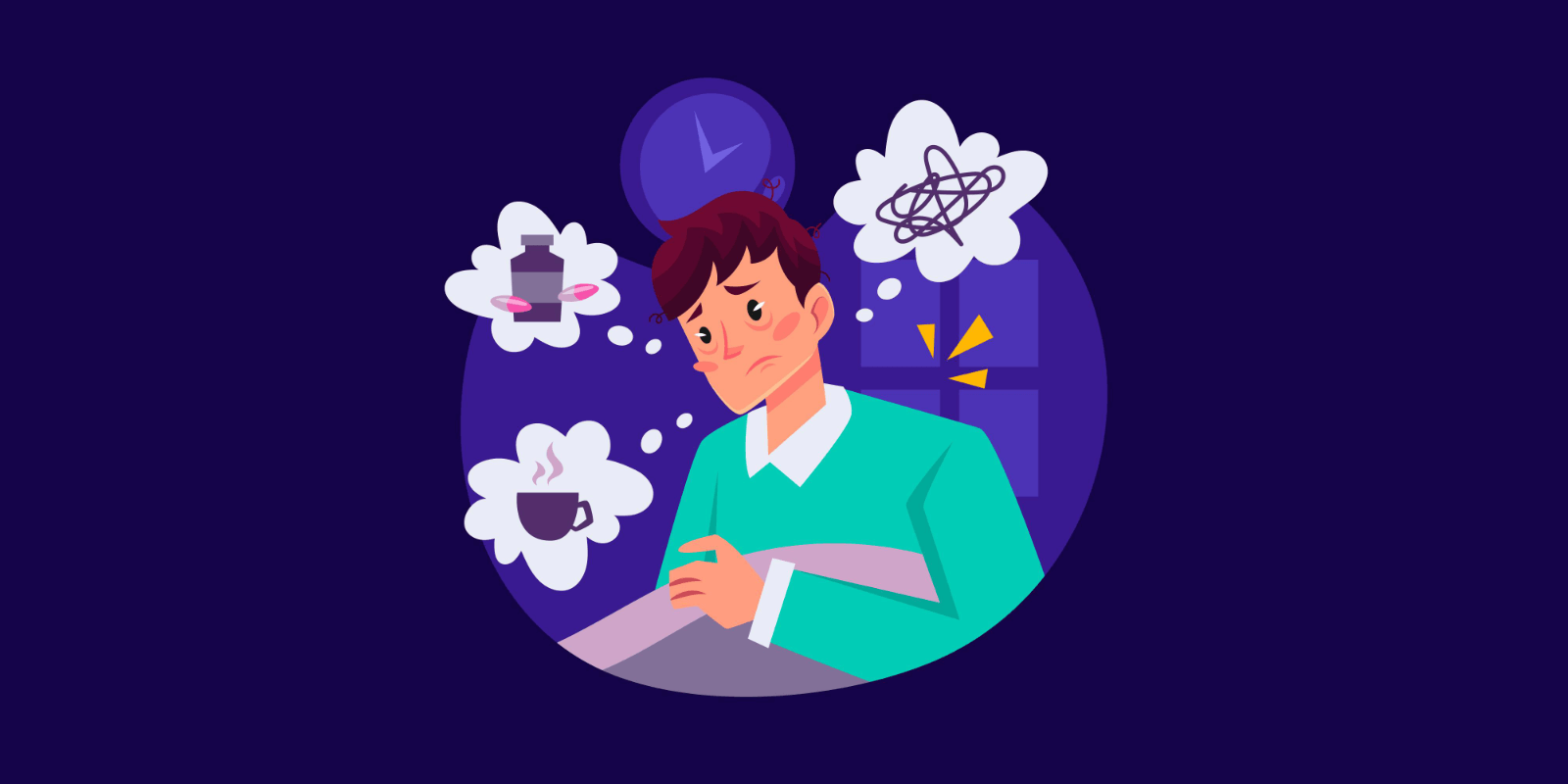
Anxiety begins to interfere with daily life when it consistently disrupts sleep, weakens concentration, and drains physical energy. When anxiety affects sleep, focus, and energy, it often shows a nervous system stuck in stress. This system does not fully relax.
This state makes it harder to fall asleep, stay focused, and recover mentally or physically. Over time, poor sleep amplifies emotional reactivity, which further intensifies anxiety during the day. Recognizing this pattern early helps you understand why rest, focus, and mood often decline together rather than separately.
Key Takeaways
- Anxiety affects sleep, focus, and energy by keeping the nervous system in a constant state of alert, which prevents proper mental and physical recovery.
- Poor sleep increases emotional reactivity and stress sensitivity, creating a cycle where anxiety and sleep problems reinforce each other.
- Disrupted circadian rhythms, inconsistent routines, and nighttime racing thoughts are common signals that anxiety is interfering with sleep patterns.
- Practical sleep hygiene habits and relaxation techniques can reduce nighttime arousal and support more stable rest over time.
- When sleep problems and anxiety persist despite lifestyle changes, professional support can help address the underlying causes and restore balance.
How Anxiety Interferes With Sleep and Daily Functioning
Anxiety often disrupts sleep by keeping your mind in a state of alertness when it should slow down. You may feel anxious at night, replay conversations, or anticipate problems that have not happened.
These racing thoughts can delay sleep onset and fragment rest throughout the night. Over time, this pattern leads to sleep disturbances that affect mood, focus, and physical stamina.
Lack of restorative sleep changes how your brain regulates emotions. Research shows poor sleep heightens stress response and reduces emotional control.
This explains why people often report stronger anxiety symptoms after nights of limited rest.
In some cases, people ask if lack of sleep causes anxiety, panic attacks, sleep disorders, and evidence suggests the risk does rise when sleep debt accumulates.
The Role of the Nervous System and Circadian Rhythms
Your nervous system plays a central role in sleep and anxiety regulation. Anxiety activates the sympathetic branch, which prepares the body for action rather than rest.
This activation increases heart rate, muscle tension, and alertness, making it harder to fall asleep. These physical symptoms can feel confusing when you are exhausted but still awake.
Circadian rhythms also influence how anxiety affects sleep patterns. Your body expects sleep and wake times to stay consistent. Irregular schedules, late nights, or inconsistent routines can weaken these rhythms.
Once disrupted, your internal clock struggles to signal when it is time to rest, further disrupting sleep and emotional balance.
Common Signs Anxiety Is Affecting Your Sleep
Sleep problems tied to anxiety often follow recognizable patterns. These signs usually appear gradually rather than all at once.
- Difficulty falling asleep due to racing thoughts
- Waking up frequently during the night
- Feeling unrefreshed despite enough hours in bed
- Increased daytime irritability or trouble focusing
If these issues persist, they may point to ongoing sleep disturbances rather than temporary stress.
Why Poor Sleep Increases Anxiety
Sleep loss reduces the brain’s ability to regulate fear and emotional reactions. The amygdala becomes more reactive, while the prefrontal cortex struggles to calm it.
This imbalance explains why small stressors can feel overwhelming after a poor night’s sleep. You may feel anxious without a clear reason.
People searching for how I cured my sleep anxiety often describe breaking this loop by improving sleep first. Rest stabilizes mood and reduces baseline anxiety. Without addressing sleep, anxiety management becomes harder and less predictable.
Sleep Hygiene Habits That Support Improving Your Sleep
Sleep hygiene focuses on behaviors that support consistent, high-quality rest. Small changes can reduce how anxiety disrupts sleep over time.
- Avoid caffeine in the afternoon and evening
- Limit blue light exposure from screens at least one hour before bed
- Go to bed and wake up at the same time every day
- Keep the bedroom dark, quiet, and cool
These habits strengthen circadian rhythms and make sleep more predictable.
Calming the Stress Response Before Bed
Anxiety often peaks at night because distractions fade and internal thoughts get louder. Creating a wind-down routine helps signal safety to the nervous system. This shift allows the body to exit stress response mode.
Effective relaxation techniques include:
- Slow breathing with extended exhalation
- Progressive muscle relaxation
- Gentle stretching or restorative yoga
- Guided imagery or body scans
These practices reduce physiological arousal and prepare the body for rest.
Managing Anxiety and Depression Around Sleep
Many people struggle with how to sleep with anxiety and depression at the same time. Depression can disrupt sleep patterns, while anxiety keeps the mind alert.
Addressing both requires consistency and patience. Improving sleep often eases depressive symptoms and emotional fatigue.
Structured routines help stabilize mood. Light exposure in the morning, regular meals, and movement during the day support nighttime rest. These steps reinforce internal rhythms and emotional regulation.
When to Consider Professional Support
If anxiety continues to interfere with sleep despite lifestyle changes, it may be time to seek professional help. Persistent insomnia, panic symptoms at night, or worsening daytime anxiety are signals to act.
Working with a specialist can clarify whether anxiety, sleep disorders, or both are present.
Evidence-based approaches like cognitive behavioral therapy CBT address thought patterns that sustain anxiety and poor sleep. Some people also benefit from sleep medicine under medical guidance.
Others find targeted anxiety therapy helpful, including options such as anxiety therapy in the Upper West Side NYC, when symptoms affect daily life.
Long-Term Strategies for Stable Sleep Patterns
Sustainable improvement depends on repetition and structure. Consistency trains the brain to expect rest at certain times. Even on weekends, keeping a similar schedule helps regulate sleep patterns.
Helpful long-term habits include:
- Maintaining a consistent bedtime routine
- Limiting naps late in the day
- Scheduling worry time earlier in the evening
- Tracking sleep to identify patterns
These steps support emotional stability and energy levels over time.