

Menswear influencers have changed how men find and shop for clothing. Instagram boasts 77 million American users, and sales data shows 30% of users buy items they first spotted on the platform. This social-first shopping behavior propels development in men’s fashion. The menswear market will reach $33 billion by 2020—a 14% increase from 2015.
The men’s fashion scene keeps evolving beyond just impressive growth numbers. Casual wear leads this expansion that lines up with workplaces moving away from formal business attire. Classic menswear influencers now adapt their content to welcome this change. The most successful ones understand how to style outfits for different settings. Social media’s sense of urgency speeds up these trends as influencers showcase versatile outfits that work from office to evening plans.
This piece gets into how influencers reshape the rules of men’s fashion, from workplace style to special occasion wear, and highlights the people behind this transformation.
The shift from formal to flexible: how menswear evolved
Professional wardrobes have moved away from traditional business suits in the last few decades. The strict dress codes that once demanded crisp suits and shiny shoes have transformed into a more relaxed and expressive style.
From suits to sneakers: the rise of casual workwear
“Business casual” emerged as a concept during the 1960s and 1970s when workplaces started to become more diverse and corporate cultures began to relax. The 1990s saw khakis, polo shirts, and loafers become acceptable alternatives to suits and ties. The 2010s brought an even bigger change – sneakers became acceptable in professional settings. Fashion experts call it “dichotomy dressing” when professionals pair sophisticated sneaker designs from brands like Adidas, Nike, and Converse with blazers.
Why versatility matters more than ever
Men now just need clothes that work in different settings. The global menswear market is projected to reach £588 billion by 2025, mainly because people want versatile pieces. Studies show that men rarely or never wear about 80% of their clothes. This makes versatile pieces that work in multiple settings more valuable. Modern menswear brands create unique, premium fabrics that help men look stylish throughout their day, whatever the occasion.
The influence of tech and startup culture
Tech giants like Google and Apple changed workplace fashion completely in the 1990s and early 2000s. These game-changers made casual wear normal by accepting jeans, t-shirts, and hoodies at work. This wasn’t just about being comfortable – it was a stand against old corporate rules. Silicon Valley’s influence made T-shirts and hoodies acceptable even in boardrooms. Streetwear became hugely popular, and sneakers, bomber jackets, and graphic tees became essential pieces in every man’s wardrobe.
The role of social media in shaping modern menswear

Social media platforms have altered the map of men’s fashion. What started as a niche interest has become a global online phenomenon with its own hashtag — #menswear. The digital world created new ways to discover style and changed how men think about their wardrobes.
How Instagram and TikTok changed fashion discovery
Tumblr led the menswear social scene before Instagram’s 2010 launch. Brand discovery through social media now matches search engines, with 38% of customers finding fashion through social platforms compared to 37% using search. This influence hits younger demographics harder. Social media ranks as the top influence for men aged 18-34 buying clothing and footwear, and fourth biggest for those aged 35-54.
Men’s self-identification has changed through social media. One industry expert notes, “I might see myself as a ‘denim head,’ even though there are no denim heads in my physical community”. Digital communities now drive purchase decisions. Men often buy certain styles to impress their online circles rather than local friends.
Menswear influencers UK: who’s leading the change
The UK’s menswear influencer scene features stars like Jim Chapman (2.4M followers), Rowan Row (1.8M), and Carl Cunard (1.2M). These digital style leaders make fashion guidance more accessible than traditional media ever could.
“Men who would have never bought an issue of GQ or Esquire are much more comfortable following style influencers on Instagram,” notes Alexa Tonner, co-founder of influencer network Collectively. Social platforms offer more style variety than fashion magazines’ “rigid perspective,” from bespoke tailoring to streetwear.
Visual-first platforms and the need for bold looks
These platforms’ visual nature has made menswear more eye-catching. Jacob Gallagher of The Wall Street Journal observes: “What will cut through the noise on a phone’s browser window? Clothing that’s bold, colorful, clicky—which is to say shamelessly distracting”.
This visual-first approach pushes some men toward “Instagram candy” outfits that might not work for daily wear. Notwithstanding that, social media makes fashion more democratic. Everyone from daily enthusiasts to micro-influencers can shape trends through real, relatable content.
Influencer marketing and the new menswear consumer
Influencers have transformed how brands connect with consumers in menswear by becoming trusted style advisors. Recent studies show that 70% of consumers trust influencer endorsements as much as personal recommendations. However, the digital world’s content saturation leaves more than half of consumers feeling overwhelmed.
Classic menswear influencers vs. modern style creators
Michal Kedziora, Jake Spencer, and David Evans represent classic menswear influencers who champion timeless tailoring and sartorial elegance. These experts often work with prominent brands like Mr Porter and Hackett. Modern style creators take a different approach. They adopt bold esthetics and streetwear influences. Wisdom Kaye stands out by creating “in-depth fit breakdowns, crazy jewelry, flares, and Birkin bags”.
Authenticity and relatability over polish
The landscape has shifted dramatically. About 68% of people dislike the high volume of sponsored content, while 65% now follow fashion influencers less frequently than before. People want genuine content creators. This explains why 45% of consumers have stopped following influencers they see as fake. Today’s male consumers value honest reviews and ground styling advice over polished traditional ads.
How micro-influencers drive niche engagement
Micro-influencers with followings between 1,000 and 100,000 achieve engagement rates up to 60% higher than larger accounts. These creators show three times more engagement than big influencers. Brands see great returns from this trend – they earn about £5.16 for every dollar spent on influencer marketing campaigns.
Best menswear influencers to watch in 2025
The start of 2025 brings exciting voices to follow. Richard Biedul creates content with his “excellent blazers and ’70s suits”. Derek Guy shares “great tailoring tips, historical menswear context”, while Wisdom Kaye pushes style boundaries. Brett Staniland has gained attention by focusing on sustainability and ethical fashion.
How brands are adapting to the new rules
Menswear brands face a new reality today. They must create collections that strike a chord with customers who get their style inspiration from social media and influencers. Their approach has been both calculated and diverse.
Designing for day-to-night transitions
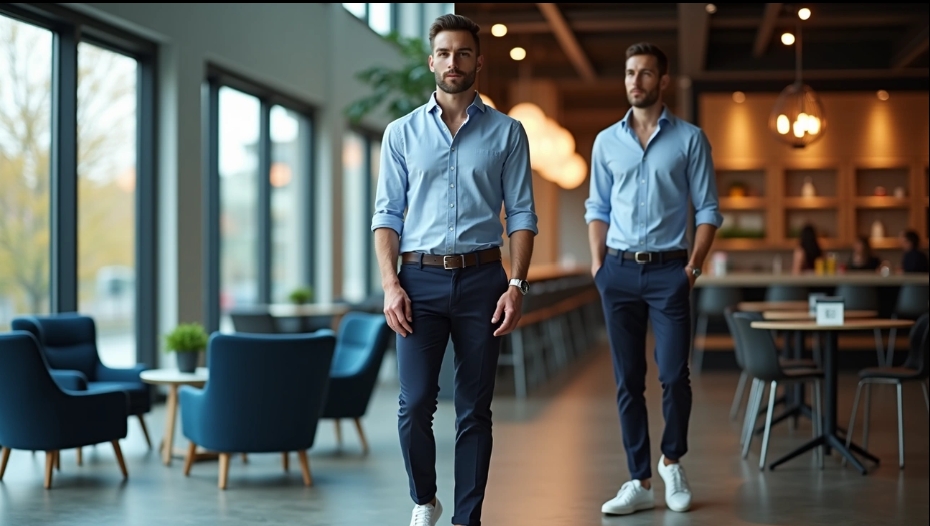
Smart labels now put versatility first. Their foundation pieces come in neutral colors – well-fitted dress pants, crisp button-downs, and sharp blazers. These pieces help create outfits that work just as well at the office as they do for evening events. The key is what experts call “intentional styling.” A simple switch of accessories, shoes, or addition of statement pieces can transform a look from day to evening.
Using influencer feedback to shape collections
Smart brands now bring menswear influencers into their product development process instead of just using them for marketing. Male influencer brands like Every Other Thursday and Minted have grown beyond their core followers through mutually beneficial alliances with bigger companies. These team-ups, like Minted’s sold-out running shoe collaboration with Saucony, add credibility and help brands reach new customer groups.
Balancing trend and timelessness
The most successful classic menswear influencers promote “investment dressing.” They suggest buying quality pieces that last years instead of following fast fashion trends. This idea has shaped brand strategies. Companies now focus on premium fabrics that look good longer and work in many situations.
Leveraging user-generated content for trust
Brands have found that user-generated content on product pages boosts conversion rates by 5-7% and average order value by 2%. Studies show 79% of consumers say UGC affects their buying choices by a lot. This authentic content builds trust by showing real people wearing products in everyday situations.
Conclusion
Men’s fashion has changed dramatically in the last decade. Traditional suits no longer dominate the scene. Versatile pieces now blend between professional and social settings. This move shows more than just changing style priorities – it reveals a broader cultural rise in how men view their wardrobes and express themselves.
Instagram and TikTok have without doubt sped up these changes. Men find their styles through digital communities instead of traditional fashion magazines. This has created an open space where real content matters more than polished marketing. So, influencers have become trusted style guides, though people just need genuine content over sponsored posts.
Smart brands understand this new reality. Their collections offer day-to-night versatility as they work together with influential creators. They strike a balance between trends and timeless appeal. On top of that, they use user-generated content to build trust through social proof.
The future of menswear will reward those who balance eye-catching pieces for social media with practical versatility for ground needs. Successful men will build wardrobes that show their personal style and adapt naturally across different settings.
The new rules of versatile menswear come down to smart adaptability. Clothes must do more than ever before. They need to serve multiple purposes while showing true personal style. Modern men need a wardrobe that flows between different settings as smoothly as they do – from office to events with style, comfort, and confidence.
FAQs
1. How has menswear evolved in recent years?
Menswear has shifted from formal suits to more versatile and casual styles. This change is driven by relaxed office dress codes, tech industry influence, and the rise of athleisure. Modern men now seek clothing that can transition easily from work to social settings.
2. What role does social media play in shaping men’s fashion trends?
Social media platforms like Instagram and TikTok have become primary sources for fashion discovery. They’ve created digital communities where men can explore diverse styles, follow influencers for inspiration, and discover new brands. This has led to more bold and eye-catching menswear trends.
3. Who are some influential menswear personalities to follow?
While specific influencers may change over time, some notable figures in the UK menswear scene include Jim Chapman, Rowan Row, and Carl Cunard. For classic tailoring, look to Michal Kedziora or David Evans. For more avant-garde styles, Wisdom Kaye is known for pushing boundaries.
4. How are brands adapting to new menswear trends?
Brands are focusing on versatile designs that transition from day to night, collaborating with influencers for product development, and balancing trendy pieces with timeless classics. They’re also leveraging user-generated content to build trust and authenticity with consumers.
5. What should men consider when building a versatile wardrobe?
When curating a versatile wardrobe, men should focus on quality pieces that can be mixed and matched for different occasions. Look for neutral base items that can be dressed up or down with accessories. Consider both style and practicality, aiming for a balance between statement pieces and adaptable classics that reflect personal style while serving various contexts.