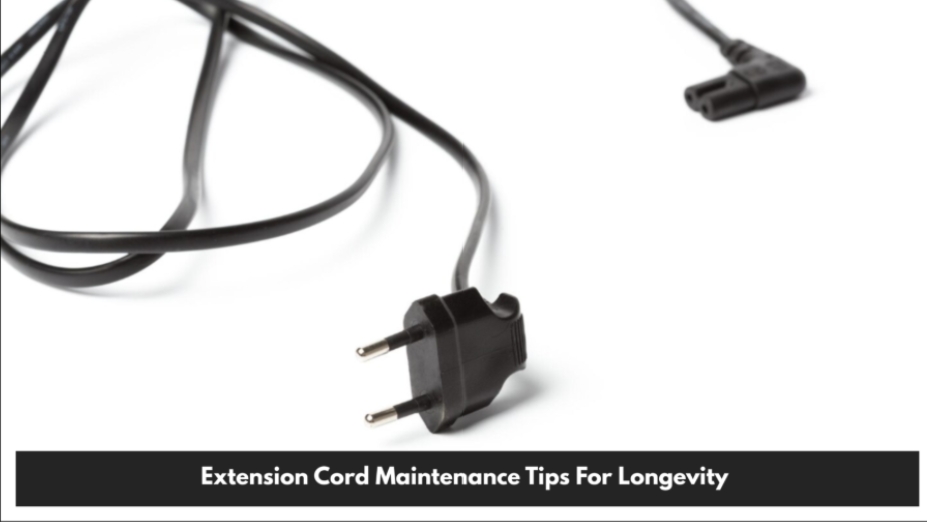
Extension cords form an important part of our daily lives and are a convenient way of accessing power where conventional outlets are inaccessible. They are used in homes, garages, workstations, and outside environments, which tend to involve repetition and high frequency of electrical loading.
Due to this daily usage, the extension cords wear out and get damaged more than people can imagine. They may easily become unsafe or inefficient without the necessary care.
Extension cords do not need complex maintenance; however, they require regular inspection and careful usage. Even the smallest habits, like storage and unplugging of cords, can greatly affect their longevity.
Also, knowing how to use them properly helps avoid typical accidents such as overheating and insulation failure. The following sections offer useful and simple maintenance guidelines that can be used by anybody.
Each sections concentrate on one of the key elements of care to assist users in safeguarding their cords, increasing the safety, and extending their lifespan.
1. Proper Storage to Prevent Internal Wire Damage
One of the most significant processes in using extension cords and keeping their internal wiring safe is ensuring proper storage. Cords, when twisted up or knotted, may weaken or break the conductors inside with time. This damage is normally hidden and can result in sudden failure.
To prevent this, cords must be loosely coiled in large, even loops all the time. Following the natural curve of the cord minimizes the stress on the internal wires and insulation. Storage hooks or reels can be used to store cords to avoid them getting tangled.
Moreover, cords need to be kept in clean and dry places. Keeping them away from heavy objects and sharp edges prevents crushing and abrasion, contributing to the long-term durability.
2. Routine Visual Inspections for Wear, Cuts, and Fraying
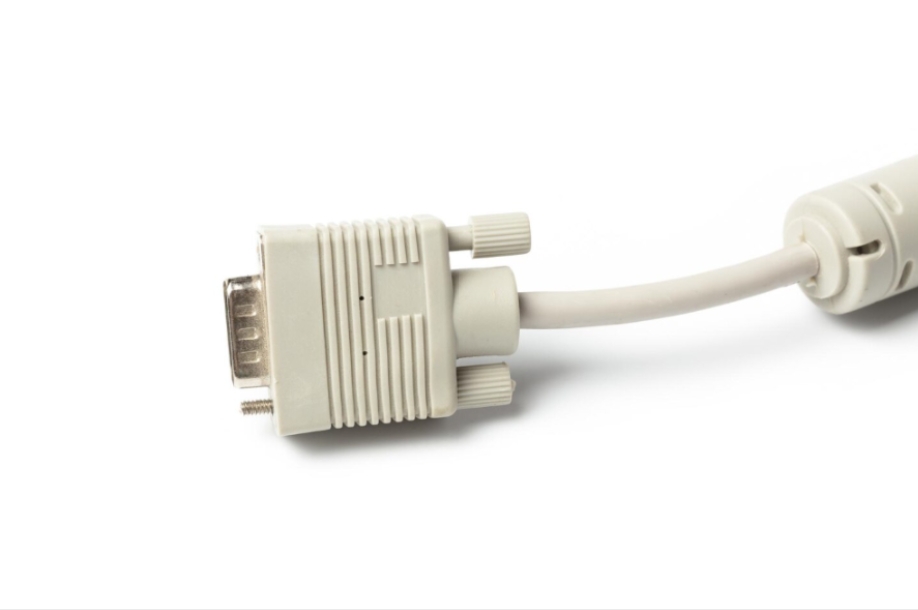
A periodic check-up enables users to detect issues early before they pose serious safety hazards. Before each use, the entire length of the cord should be examined carefully. This involves inspection of cracks, exposed wires, or worn-out insulation.
In addition, particular attention is to be paid to the areas close to the plugs where bending and pulling are most frequent. Even the small signs of damage in the areas can influence the performance and safety of the cord.
Regular inspection of the cords ensures that users do not experience any sudden power outage and reduces any chances of electrical accidents due to unseen wear.
3. Correct Usage and Load Management to Avoid Overheating
Another frequent source of early failure is the use of an extension cord of greater capacity than the rated capacity. When cords have more electricity than intended, high heat accumulates in the insulation. In the long run, this damages internal components.
To avoid overheating, it is advisable that users always ensure that the cord rating is matched with the power requirements of the devices to which they are connected. Always avoid using light-duty cords with heavy-duty equipment.
Moreover, cords should not be wrapped or packaged when in use. Allowing air to flow around the cord assists in the dissipation of heat and ensures safe and efficient operation.
4. Protection from Moisture, Heat, and Environmental Exposure
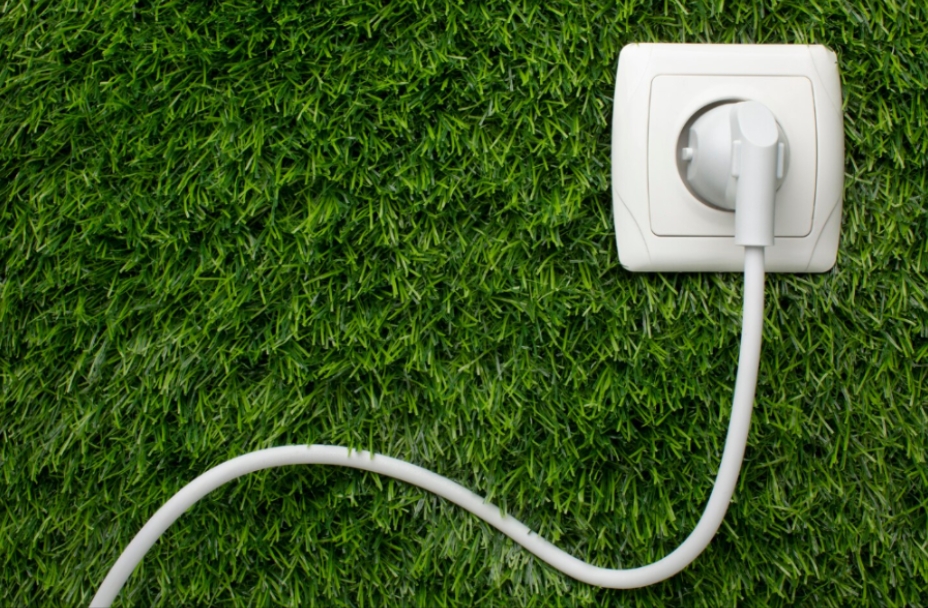
Environmental factors contribute significantly to the length of the cord. Exposure to moisture may lead to corrosion in the inner part of the cord, and the chance of an electric shock is also enhanced. Always ensure that exterior use should only be made of outdoor-rated cords.
Furthermore, direct exposure to sunlight or hot surfaces may cause insulation materials to deteriorate with time. Similarly, very low temperatures can result in cracking or stiffening of cord jackets.
To avoid all these, safeguard the cords against the harsh environment and store them inside the house after use. This is a very basic measure that greatly increases their service life.
5. Safe Plugging and Unplugging Practices to Preserve Connectors
The plug and connector areas are among the most vulnerable parts of an extension cord. Pulling a cord out of an outlet by yanking the cable places stress on internal connections. Over time, this can cause loosening or partial contact.
Instead, cords should always be unplugged by gripping the plug firmly and pulling straight out. This reduces strain and preserves internal wiring integrity. Keeping plugs clean and fully inserted during use also improves electrical contact and reduces unnecessary heat buildup.
6. Timely Repairs and Replacement of Damaged Cords
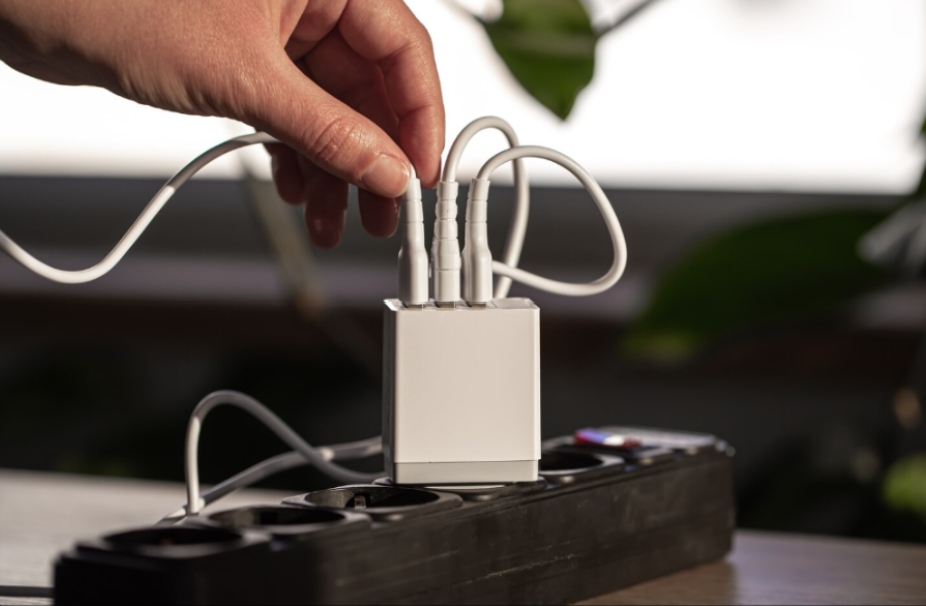
Once a cord shows signs of damage, immediate action is necessary. Temporary solutions, such as taping over exposed areas, do not restore safety or functionality. These methods often hide problems rather than fix them.
In many cases, replacing a damaged cord is safer and more cost-effective than attempting a repair. Exposed wires or cracked insulation should never be ignored. Knowing when to replace a cord helps prevent accidents and ensures that electrical equipment continues to operate reliably.
7. Select Right Extension Cord for Intended Application
Choosing the correct extension cord from the start reduces strain and improves longevity. Different tasks require different cord lengths, insulation types, and electrical ratings.
Using an indoor cord outdoors or a light-duty cord for heavy equipment significantly shortens its lifespan. Selecting cords designed for specific environments and loads ensures optimal performance.
Shorter cords are often more efficient and experience less voltage loss. Making informed choices supports long-term durability and safer usage.
Conclusion
Proper extension cord maintenance is essential for safety, reliability, and long-term performance. Simple habits such as correct storage, regular inspection, and responsible usage can greatly reduce wear and prevent common hazards. Environmental protection and careful handling of plugs further preserve cord integrity.
By selecting the right cord for each application and replacing damaged cords promptly, users can avoid unnecessary risks and costs. These practical maintenance tips require minimal effort but deliver lasting benefits. With consistent care and informed use, extension cords can remain dependable tools that safely meet everyday power needs for years to come.