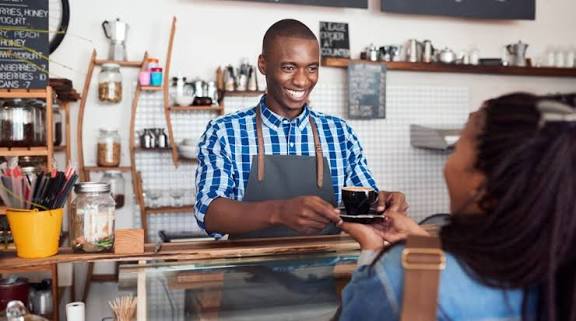
In retail, creating a store that not only attracts customers but also encourages them to return is crucial. A well-designed store can make the difference between a one-time shopper and a loyal customer. From layout and lighting to signage and technology, every element plays a role in shaping the shopping experience. This guide will explore practical strategies to design an engaging store that keeps customers coming back.
Understanding Your Customers
Before embarking on any design decisions, it is essential to understand your target audience. Who are your typical customers, and what are their shopping habits and preferences? Conducting surveys, analysing purchase data, and observing customer behaviour can provide valuable insights. The more you know about your customers, the more effectively you can create an environment that appeals to them.
Optimising Store Layout
The layout of your store significantly impacts how customers navigate and interact with your products. A well-thought-out layout should balance aesthetics with functionality. Common strategies include the grid, loop, and free-flow layouts.
- Grid Layout: Ideal for stores with a wide range of products, this layout uses straight aisles to guide customers systematically. It is practical but can feel rigid.
- Loop Layout: Also known as the racetrack layout, this guides customers along a predetermined path, exposing them to multiple products and encouraging exploration.
- Free-Flow Layout: Often used in boutique or specialty stores, this layout promotes a relaxed shopping experience, allowing customers to move freely and discover items organically.
Whatever layout you choose, ensure that it allows for clear sightlines, logical product placement, and ease of movement. Crowded or confusing spaces can deter customers and reduce dwell time.
Creating an Inviting Atmosphere
Lighting, colour schemes, and decor collectively shape the mood of your store. Bright, warm lighting can make a space feel welcoming, while cooler lighting might suit modern or high-tech stores. Colour psychology also plays a role; for example, blue evokes calmness and trust, while red can create excitement and urgency.
Music is another atmospheric factor. The right playlist can complement the store’s brand and encourage longer browsing times. However, it is important not to overwhelm shoppers, as volume and tempo should be carefully considered.
Effective Use of Signage and Digital Displays
Signage guides customers, highlights promotions, and reinforces branding. In today’s retail environment, digital displays are increasingly popular for their flexibility and visual impact. For example, an LED poster can be used to showcase offers, advertise new products, or share engaging content. Unlike traditional static signs, LED posters can easily be updated to reflect changing promotions, making them a dynamic tool for capturing attention and driving sales.
Clear and well-placed signage can also enhance the customer journey by making it easy to locate products, understand promotions, and navigate the store without assistance. This improves the overall shopping experience and fosters positive impressions that encourage repeat visits.
Product Placement and Visual Merchandising
How products are displayed can significantly affect sales and customer engagement. High-demand or high-margin items should be placed in prominent locations, ideally at eye level. Complementary products can be grouped together to encourage cross-selling.
Visual merchandising is about creating aesthetically pleasing displays that tell a story. Seasonal themes, curated collections, and interactive displays engage customers emotionally and make the shopping experience memorable. Regularly refreshing displays keeps the store feeling new and exciting, giving customers a reason to return.
Incorporating Technology
Modern retail increasingly integrates technology to enhance convenience and engagement. Mobile payment options, self-checkout stations, and digital loyalty programmes streamline the shopping process, making it more appealing for tech-savvy customers. Interactive kiosks or screens can provide product information, styling tips, or personalised recommendations, further enriching the in-store experience.
Moreover, data from these technologies can provide insights into customer behaviour, enabling continuous improvement of the store layout, promotions, and product offerings.
Comfort and Accessibility
A comfortable, accessible store encourages longer visits. Consider seating areas for customers who may need a break, wide aisles for ease of movement, and thoughtful placement of fitting rooms. Accessibility is also key for inclusivity, as ensuring that all customers, including those with mobility challenges, can navigate the store easily enhances overall satisfaction and loyalty.
Building Emotional Connection
Finally, an engaging store creates an emotional connection with its customers. Personalised service, friendly staff, and a welcoming atmosphere all contribute to this bond. When customers feel valued and understood, they are more likely to return.
Hosting events, offering loyalty rewards, or providing opportunities for customers to interact with your brand outside of purchasing, such as workshops or in-store demonstrations, can strengthen this connection and create memorable experiences that foster loyalty.