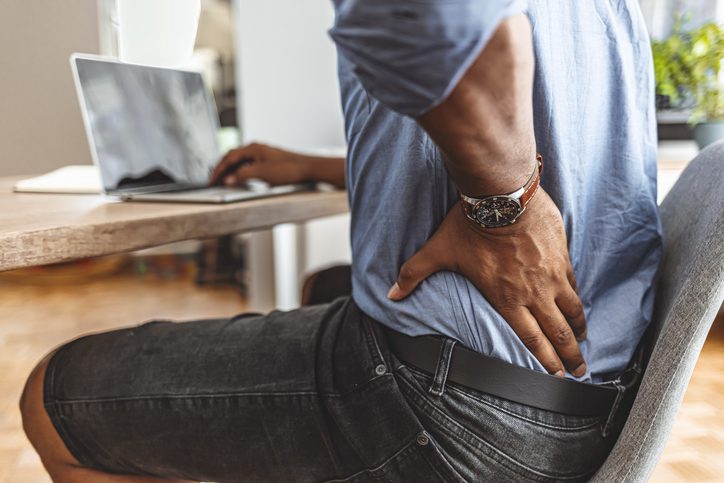
Pain is a universal human experience, an alarm system that alerts us to injury or illness. But what happens when that alarm doesn’t turn off? For millions of people, pain isn’t a temporary signal but a constant companion. This is the reality of chronic pain disorders, conditions that can profoundly impact every aspect of a person’s life.
What is Chronic Pain?
Chronic pain is defined as pain that lasts for more than three months. Unlike acute pain, which is a direct response to injury and usually resolves as the body heals, chronic pain persists long after the initial cause has disappeared. It can range from mild to severe and may be constant or intermittent.
Two of the most common chronic pain disorders are fibromyalgia and chronic back pain.
- Fibromyalgiais a complex disorder characterized by widespread musculoskeletal pain accompanied by fatigue, sleep, memory, and mood issues. The pain is often described as a constant dull ache that affects many areas of the body.
- Chronic back painis persistent pain in any region of the back, often lasting for 12 weeks or longer, even after an initial injury or underlying cause has been treated. It’s one of the most common reasons people seek medical care.
Common Symptoms and Daily Challenges
The experience of chronic pain is unique to each individual, but there are several common symptoms and challenges.
Symptoms of Chronic Pain
- Persistent Aching or Burning:A constant, dull ache or a sharp, burning sensation.
- Shooting or Stinging Pain:Sharp pains that can feel like an electric shock.
- Stiffness and Soreness:A feeling of tightness or discomfort in the muscles and joints.
- Fatigue:Overwhelming and persistent tiredness that isn’t relieved by rest.
- Sleep Disturbances:Difficulty falling asleep, staying asleep, or waking up feeling unrested.
- Cognitive Difficulties:Often called “fibro fog” or “brain fog,” this includes trouble with concentration, memory, and focus.
- Mood Changes:Increased rates of anxiety, depression, and irritability are common.
Daily Challenges
Living with these symptoms can make everyday life incredibly difficult. Simple tasks like getting dressed, cooking a meal, or walking up a flight of stairs can become monumental efforts. This can lead to a reduced ability to work, socialize, and engage in hobbies, often resulting in feelings of isolation and frustration.
What Causes Chronic Pain?
The causes of chronic pain are not always clear, but they can stem from various factors. Sometimes, it begins with an initial injury or illness, like a back injury or an infection. In these cases, even after the body has healed, the nervous system can remain in a state of high alert, continuing to send pain signals.
Other potential causes and risk factors include:
- Underlying Medical Conditions:Arthritis, endometriosis, and nerve damage (neuropathy) can lead to chronic pain.
- Genetics:Some research suggests a genetic predisposition to developing conditions like fibromyalgia.
- Age:The likelihood of developing chronic pain increases with age due to natural wear and tear on the body.
- Psychological Factors:Stress, anxiety, and depression can exacerbate or even contribute to the development of chronic pain.
- Lifestyle:Factors like being overweight, smoking, or living a sedentary lifestyle can increase the risk.
Exploring Treatment Options
Managing chronic pain often requires a multi-faceted approach, combining conventional medical treatments with alternative therapies and lifestyle changes.
Conventional Treatments
- Medications:Over-the-counter pain relievers like ibuprofen or acetaminophen can help with mild pain. For more severe pain, doctors may prescribe stronger medications, including anti-inflammatory drugs, muscle relaxants, or certain antidepressants that can help manage nerve pain.
- Physical Therapy:A physical therapist can teach you exercises to improve strength, flexibility, and range of motion, which can help reduce pain and improve function.
- Injections:Cortisone steroid injections or nerve blocks can provide temporary pain relief for specific areas.
Alternative and Complementary Therapies
- Acupuncture:This traditional Chinese medicine technique involves inserting thin needles into specific points on the body to help relieve pain.
- Massage Therapy:Massage can help relax muscles, reduce stress, and improve circulation, providing temporary pain relief.
- Chiropractic Care:Adjustments to the spine and other joints may help alleviate back pain and improve physical function.
- Mind-Body Therapies:Practices like yoga, tai chi, and meditation can help reduce stress, improve flexibility, and increase body awareness, all of which contribute to pain management.
Coping Strategies for Daily Life
Learning to live with chronic pain involves developing strategies to manage symptoms and navigate daily challenges.
- Pacing Yourself:Learn to listen to your body and balance activity with rest. Avoid overdoing it on good days, which can lead to a “crash” or flare-up of symptoms.
- Stress Management:Practice relaxation techniques like deep breathing, mindfulness, or engaging in calming hobbies to reduce stress, which can trigger pain.
- Setting Realistic Goals:Break down large tasks into smaller, more manageable steps. Celebrate small victories to maintain a sense of accomplishment.
- Using Assistive Devices:Don’t hesitate to use tools that can make life easier, such as ergonomic chairs, reachers, or a cane.
The Role of Diet and Exercise
What you eat and how you move can have a significant impact on chronic pain.
Diet
An anti-inflammatory diet can be beneficial for managing pain. This involves focusing on whole foods like fruits, vegetables, lean proteins, and healthy fats while limiting processed foods, sugar, and unhealthy fats. Foods rich in omega-3 fatty acids, like salmon and walnuts, may help reduce inflammation.
Exercise
While it may seem counterintuitive to exercise when you’re in pain, gentle physical activity is one of the most effective treatments for chronic pain. Low-impact exercises like swimming, walking, and cycling can help:
- Strengthen muscles that support your joints.
- Improve flexibility and reduce stiffness.
- Release endorphins, your body’s natural painkillers.
- Boost your mood and reduce stress.
Always consult with a healthcare professional before starting a new exercise program to ensure it’s safe and appropriate for your condition.
Finding Your Support System
Living with chronic pain can be isolating, but you don’t have to go through it alone. Connecting with others who understand what you’re experiencing can be incredibly validating and empowering.
- Support Groups:Both online and in-person support groups provide a safe space to share experiences, exchange tips, and receive emotional support. Organizations like the American Chronic Pain Association offer resources for finding local groups.
- Friends and Family:Educate your loved ones about your condition. Their understanding and support can make a significant difference in your well-being.
- Mental Health Professionals:A therapist or counselor at a wellness center can help you develop coping strategies for the emotional and psychological toll of chronic pain.
Conclusion
If your pain is persistent, severe, or interfering with your ability to live your life, it’s crucial to seek professional help. A primary care physician is a good starting point. They can help diagnose the cause of your pain and may refer you to a specialist, such as a rheumatologist, neurologist, or a pain management specialist at a dedicated clinic.