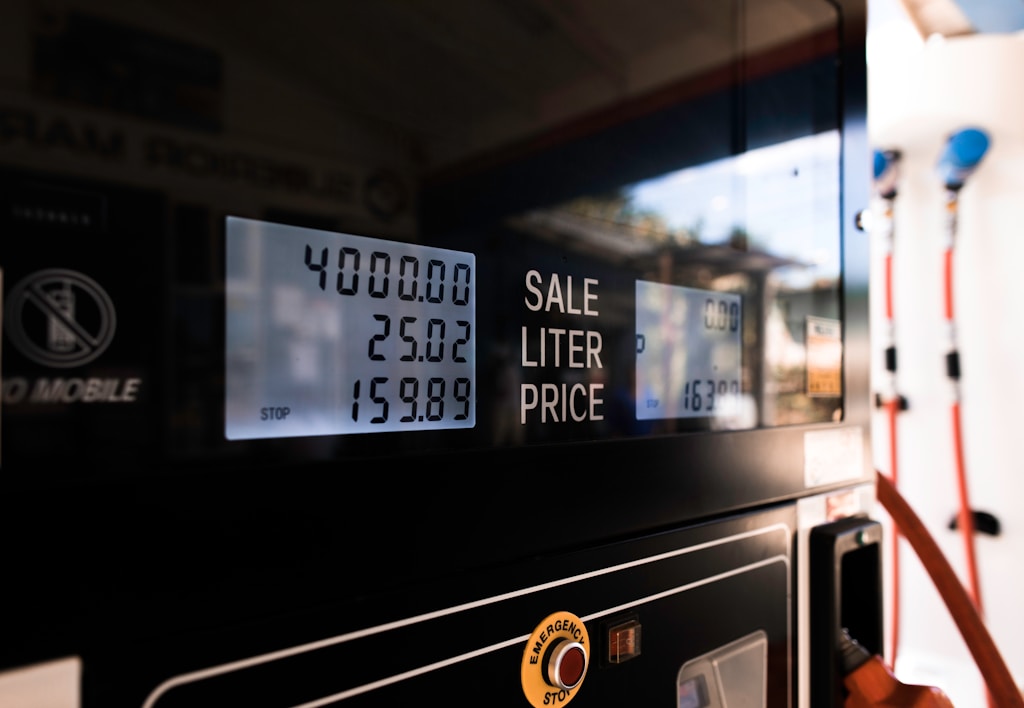
When planning a Spanish getaway, most travellers focus on flights and accommodation costs. But there’s a significant expense that catches many visitors off guard—or pleasantly surprises them, depending on where they land. Petrol prices across Spain vary dramatically, and understanding why could save you substantial money on your next trip.
The Price Gap That Surprises Tourists
The difference is striking. In Madrid, drivers currently pay around €1.37 per litre for unleaded petrol and €1.30 for diesel. Meanwhile, on Tenerife and Gran Canaria, those same fuels cost approximately €0.96 per litre—a saving of roughly 40%. For anyone planning to hire a car and explore these islands, this isn’t a minor detail. It’s a genuine budget advantage that makes road trips considerably more affordable than on the Spanish mainland.
Tax Systems Explain Everything
The explanation lies in Spain’s unique tax structure. Mainland Spain applies standard VAT at 21% on fuel, whilst the Canary Islands operate under a different system called IGIC (Impuesto General Indirecto Canario), which charges just 7% on most goods, including petrol. This special tax status exists because the Canary Islands maintain a distinct fiscal regime, separate from mainland Spain’s tax framework, due to their geographical position off Africa’s northwest coast.
The islands’ status as an outermost region of the European Union grants them flexibility in taxation, aimed at offsetting the economic challenges of remoteness. For visitors, this translates directly into cheaper motoring costs—a practical benefit whether you’re driving between beaches or exploring volcanic landscapes.
What This Means for Travellers
These lower fuel costs fundamentally change the economics of island exploration. Hiring a car becomes significantly more attractive compared to relying on taxis or public transport, particularly for families or groups. A week’s worth of driving around Tenerife or Gran Canaria—visiting national parks, coastal villages, and mountain viewpoints—costs substantially less than equivalent travel on the mainland.
For current pricing details, checking current fuel prices in the Canary Islands before your trip helps with budget planning. Similarly, if you’re comparing costs or travelling to the capital, reviewing current petrol prices in Madrid provides useful context for how much you’ll save by hiring a car on the islands rather than the mainland.
Beyond Tourism: Economic Implications
This price differential affects more than holiday budgets. It influences business costs, logistics, and even property values. Companies operating in the Canaries benefit from reduced transport expenses, whilst residents enjoy lower commuting costs compared to their mainland counterparts. The tax advantage forms part of a broader economic strategy designed to support communities living far from continental Europe.
For anyone planning Spanish travel involving significant driving, the Canary Islands offer genuine value beyond their beaches and sunshine. The 40% fuel saving isn’t a temporary promotion—it’s a structural advantage built into the islands’ economic framework, making car hire a surprisingly cost-effective choice for exploring these Atlantic destinations.