Manila is more than a busy capital. It’s a city of contrasts, where old Spanish walls stand next to glass towers, and lively street markets buzz just a few minutes from luxury malls. For many visitors, the London to Manila is only the beginning of their journey through the Philippines, but the city itself deserves time and attention.
Getting settled after arrival
Most international visitors land at Ninoy Aquino International Airport (MNL). Once you’re through immigration, you’ll find Manila hectic but welcoming. Ride-hailing apps like Grab make moving around the city easier than hailing a taxi, and booking an airport transfer in advance can save stress after a long flight.
Hotels range from budget hostels in Malate to high-end stays in Makati and Bonifacio Global City (BGC). If you only have a short stopover, consider staying near the airport to avoid heavy traffic.
The city’s historic heart
Start your visit in Intramuros, the walled city built during Spanish colonial rule. Cobbled streets, old churches, and horse-drawn carriages set a different pace compared to the rest of Manila. Key spots include:
- Fort Santiago: A fortress with gardens and exhibits about José Rizal, the national hero.
- San Agustin Church: A UNESCO World Heritage site and one of the oldest stone churches in the country.
- Casa Manila: A museum that recreates colonial life with period furniture and courtyards.
Walking here feels like stepping into another century.
Markets and modern malls
Manila is famous for shopping, both traditional and modern. In Divisoria Market, you can find almost anything at bargain prices, from fabrics to home goods. It’s crowded and lively, best visited during the day.
For a modern contrast, head to SM Mall of Asia, one of the largest in Asia, or the Greenbelt complex in Makati for luxury brands. Shopping is a favourite local pastime, and you’ll see why — malls are also social hubs with restaurants, cinemas, and even chapels.
Food experiences
Filipino cuisine is a highlight. Try adobo (chicken or pork stew), sinigang (tamarind soup), and lechon (roast pig). Street food is also a must. Don’t miss:
- Isaw: Grilled chicken or pork intestines, surprisingly popular and tasty.
- Balut: A fertilised duck egg, not for everyone but considered a delicacy.
- Halo-halo: A colourful shaved-ice dessert with fruit, beans, and ice cream.
For something modern, Manila’s food parks and pop-up restaurants show how young chefs are re-inventing Filipino flavours.
Art and culture
Beyond shopping and food, Manila has a growing art and culture scene. Visit the Cultural Center of the Philippines for theatre, music, and dance. The Ayala Museum in Makati showcases pre-colonial artefacts and modern art. Street murals in Bonifacio Global City also show a more youthful, urban energy.
Evening in the city
When the sun sets, Manila’s energy doesn’t fade. The city’s nightlife has something for everyone:
- Rooftop bars in Makati with skyline views.
- Jazz clubs and live music venues in Malate.
- Karaoke bars across the city, where locals and visitors belt out songs together.
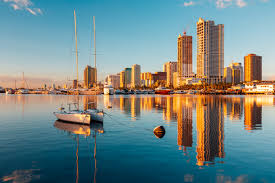
Watching the sunset over Manila Bay is another highlight, best viewed from Roxas Boulevard or a waterfront café.
Day trips beyond Manila
If you have time, use Manila as a base for short trips:
- Tagaytay: Cool air, lake views, and the dramatic Taal Volcano.
- Pampanga: Known as the food capital of the Philippines.
- Corregidor Island: A World War II landmark just an hour away by boat.
These spots give you a taste of the Philippines beyond the capital without needing long domestic flights.
Planning your stay
To make the most of Manila:
- Stay 2–3 days before heading to the islands.
- Book flights early during Christmas, Easter, or school holidays.
- Allow extra travel time for traffic when planning tours or airport transfers.
- Pack light but smart — tropical weather means breathable clothes, but bring an umbrella or raincoat in wet months.
If the cost of tickets feels heavy, some travel agencies now offer Book Now Pay Later options for flights to Manila, making long-haul trips easier to manage.
Final word
Manila is lively, crowded, and sometimes overwhelming, but it’s also rich with history, flavour, and warmth. Give the city a chance before moving on to the beaches and islands. Whether you’re exploring Intramuros, sampling street food, or watching the bay’s famous sunset, Manila will leave a lasting impression and set the tone for your Philippine journey.