Capacitive touch screens are everywhere. From smartphones and tablets to high-end industrial machines, the sleek, buttonless design has become the new standard.
But what about membrane switches? Are they obsolete, or do they still offer value in today’s rapidly digitizing world? The answer may surprise you.
Despite the flashy appeal of capacitive technology, membrane switches remain indispensable in many industries due to their reliability, customization, and cost-effectiveness.
What Is a Membrane Switch?
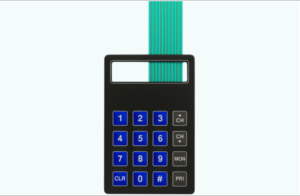
A membrane switch is a user interface component composed of several flexible layers. These typically include:
- A graphic overlay (for labeling and visual design)
- A spacer layer
- A circuit layer (usually made with conductive inks)
- A backer or adhesive layer
When a user presses the top layer, it makes contact with the underlying conductive circuit, completing the electrical path and triggering a response.
Membrane switches are often used in:
- Medical equipment
- Consumer appliances
- Industrial controls
- Military electronics
Why Capacitive Touch Screens Dominate Modern Design?
Capacitive touchscreens detect touch through the electrical properties of the human body. They offer:
- Multi-touch support
- Gesture recognition
- Sleek, modern design
- No moving parts
Capacitive technology is ideal for devices that require dynamic interfaces and frequent updates, like mobile phones, kiosks, or infotainment systems.
Membrane Switches vs. Capacitive Touch: A Head-to-Head Comparison
Where Membrane Switches Still Shine?
1. Harsh Environments
Membrane switches are ideal in applications exposed to moisture, chemicals, and extreme temperatures. Their sealed construction prevents ingress, making them perfect for medical devices, industrial equipment, and outdoor controls.
2. Tactile Feedback Requirements
In scenarios where users need to feel a response like medical professionals wearing gloves or technicians operating machinery, membrane switches with tactile domes provide valuable feedback.
3. Custom Labeling & Branding
With graphic overlay printing, membrane switches allow full control over color, icons, and branding. Capacitive screens are more standardized and often require external software to match branding.
4. Affordability
For single-function interfaces or low-production runs, membrane switches are more budget-friendly and don’t require expensive driver software or display modules.
5. EMI and RFI Sensitive Applications
Membrane switches can be designed with shielding to prevent electromagnetic interference (EMI) or radio-frequency interference (RFI), critical for defense, aerospace, and medical sectors.
The Rise of Hybrid Interfaces
The user interface landscape isn’t binary. In fact, hybrid models combining membrane switches and capacitive touch screens are increasingly common. Examples include:
- Capacitive touch displays with physical membrane keypads for frequently used functions
- Medical devices combining display screens with tactile emergency or power buttons
- Industrial panels where touch screens handle diagnostics, but membrane switches operate machinery
This hybrid approach leverages the strengths of both technologies: the intuitive navigation of touch screens and the reliability of tactile input.
Trends Shaping the Future of Membrane Switches
While capacitive touch screens are evolving with haptic feedback and gesture control, membrane switches are also advancing:
- Backlighting Integration: LED and light guide film make membrane switches usable in low-light conditions.
- Antimicrobial Coatings: Crucial for medical and food service applications.
- Flexible & Wearable Integration: Printed electronics allow membrane-style switches to be integrated into smart clothing or wearables.
- Sustainability Focus: New materials and recyclable components make membrane switches more eco-friendly.
Final Verdict: Still Relevant, Still Evolving
Membrane switches are far from obsolete. While capacitive touch screens are ideal for fluid, dynamic interfaces, membrane switches remain the go-to solution for applications demanding tactile feedback, ruggedness, and cost control.
Rather than being replaced, membrane switches are evolving in parallel with capacitive technologies. In many industries, they’re not competing; they’re coexisting.
If your application needs reliability, simplicity, and tactile control, membrane switches still hold their place at the top of the user interface toolbox.