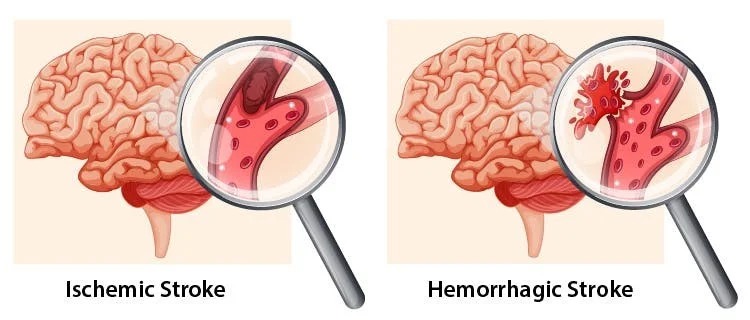
A brain stroke occurs when the blood supply to a part of the brain is blocked (ischemic stroke) or when a blood vessel bursts (hemorrhagic stroke). Without adequate oxygen, brain cells begin to die within minutes. This can cause long-term disability, loss of speech, paralysis, or even death if not addressed quickly. Understanding the condition is the first step in ensuring timely help. Many people underestimate stroke symptoms, delaying treatment during the most crucial window, which is the golden hour.
Why The Golden Hour Matters In Stroke Treatment
The golden hour refers to the first 60 minutes after a stroke occurs. This period is critical because early intervention can save brain tissue, prevent irreversible damage, and improve recovery chances. Treatments such as clot-dissolving medications or advanced procedures work best when given immediately. Every minute counts, as nearly two million brain cells die each minute during a stroke. Reaching the hospital in time can mean the difference between full recovery and a lifelong disability.
Recognizing Early Warning Signs Of A Stroke
Timely recognition is crucial. The FAST acronym helps identify stroke symptoms quickly:
- F: Face drooping on one side
- A: Arm weakness or inability to raise both arms
- S: Slurred or strange speech
- T:Time to call emergency services immediately
Other symptoms may include sudden vision problems, dizziness, confusion, or severe headache. If any of these signs appear, immediate action is required. Delaying could cost the patient their life.
Immediate First Aid Measures To Take
While waiting for medical help, certain first aid measures can make a difference. Keep the patient lying down with their head slightly elevated to ease blood flow to the brain. Do not give food, drinks, or medication, as swallowing ability may be impaired. Monitor their breathing and pulse. If they lose consciousness, perform CPR if necessary. These simple actions, though basic, can prevent complications until professional medical care takes over.
Emergency Medical Response And Hospital Care
Once the patient reaches a hospital, doctors act swiftly to confirm the type of stroke using imaging techniques like CT or MRI scans. For ischemic strokes, clot-breaking drugs may be administered to restore blood flow. Hemorrhagic strokes, on the other hand, may require surgical intervention to stop bleeding. The golden hour ensures these treatments are most effective, reducing the risk of permanent disability.
Clot-Breaking Medications And Their Role
One of the most important tools in stroke treatment is the administration of tPA (tissue plasminogen activator), a drug that dissolves clots in ischemic stroke cases. When given within the first three to four hours, tPA can restore blood flow and significantly improve chances of recovery. However, this drug must be administered in a hospital setting after imaging confirms the stroke type.
Advanced Procedures
For certain ischemic strokes, a procedure called mechanical thrombectomy is used. This involves inserting a catheter into a blood vessel to physically remove the clot. This treatment is most effective within six hours but can sometimes be extended to 24 hours for specific cases. Other advanced procedures include surgical repair of ruptured vessels in hemorrhagic strokes.
Ahmedabad has become one of India’s leading healthcare destinations, especially for neurological emergencies. The city has hospitals equipped with advanced imaging, dedicated stroke units, and 24/7 emergency response teams. Patients benefit from the expertise of highly trained neurologists and neurosurgeons, along with modern rehabilitation facilities. For families seeking reliable care, brain stroke treatment in Ahmedabad offers both advanced technology and specialized expertise that can save lives.
Rehabilitation After Stroke
Recovery doesn’t end after the initial treatment. Rehabilitation is essential to regain mobility, speech, and cognitive functions. Physical therapy, occupational therapy, and speech therapy help patients rebuild skills lost due to stroke. Starting rehab as early as possible improves outcomes significantly. Emotional support is equally important, as stroke survivors may face frustration, depression, or anxiety.
Long-Term Prevention And Lifestyle Modifications
Preventing another stroke is just as important as treating the first one. Patients are usually advised to:
- Control high blood pressure and diabetes
- Quit smoking and limit alcohol consumption
- Follow a healthy, balanced diet
- Exercise regularly and maintain a healthy weight
- Manage stress effectively
Adopting these lifestyle modifications greatly reduces the risk of recurrence. Regular check-ups and adhering to prescribed medications are crucial for long-term health.