Understanding how a breathalyser test works is essential before relying on one. These devices estimate blood alcohol concentration (BAC) by analyzing a sample of exhaled breath, providing quick results that can indicate whether someone is over the legal limit. Knowing how a breathalyser test works helps avoid mistakes that could lead to inaccurate readings.
A breathalyser does not directly measure alcohol in the blood but instead detects alcohol molecules in the breath and converts them into an estimated BAC. Different models may use fuel cell sensors, semiconductor sensors, or infrared technology, each with varying accuracy levels. Small factors such as recent food, drinks, or mouthwash can affect results if not considered.
Using a breathalyser correctly requires more than just blowing into the device. Waiting a short time after drinking, ensuring the device is properly calibrated, and following instructions carefully all play a role in getting reliable results. With the right approach, a breathalyser can be a useful tool for making informed decisions.
Key Takeaways
- Breathalysers estimate BAC by analyzing alcohol in exhaled breath
- Proper use and timing improve accuracy of results
- Small factors can influence readings if not considered
How a Breathalyser Test Works
A breathalyser test estimates a person’s blood alcohol concentration by analyzing alcohol levels in exhaled breath. It uses established chemical and physical methods to detect ethanol and then applies a fixed ratio to approximate the amount of alcohol in the bloodstream.
Scientific Principles Behind Breathalyser Tests
Breathalyser tests rely on the fact that alcohol in the blood moves into the lungs and evaporates into the alveolar air. When someone provides a breath sample, the device measures ethanol molecules in that air, which directly correlates with blood alcohol concentration (BAC). Early models, such as those developed by Robert Borkenstein in the 1950s, used chemical oxidation with potassium dichromate. The chemical changed color depending on the alcohol content, producing a measurable result.
Modern devices often use infrared spectroscopy or fuel cell sensors. Infrared spectroscopy works by passing an infrared beam through the breath sample and detecting how much light ethanol molecules absorb. Fuel cell sensors generate an electrical current when alcohol is oxidized on a platinum surface, and the size of the current reflects the alcohol level.
Blood Alcohol Content Measurement Process
A breathalyser does not measure blood alcohol directly. Instead, it detects ethanol concentration in the breath sample and applies a fixed conversion ratio between breath alcohol and blood alcohol. The commonly used partition ratio is 2100:1, meaning 2100 milliliters of breath contain about the same amount of alcohol as 1 milliliter of blood.
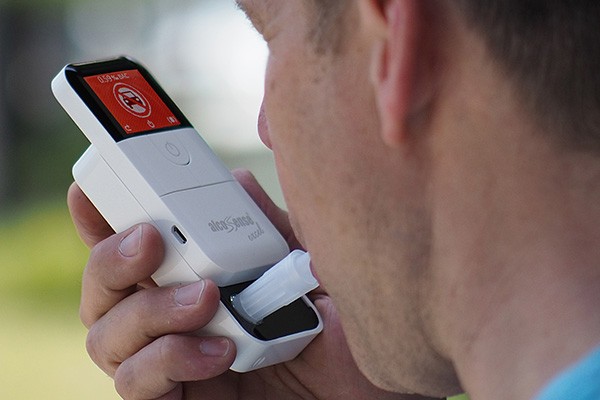
When a person exhales into the device, the sensor technology (fuel cell or infrared) quantifies alcohol in the alveolar air. The device then calculates BAC and displays the result as a percentage, such as 0.08%. Law enforcement agencies rely on evidential breath tests because they follow strict calibration and maintenance standards. Portable devices used for screening may give an estimate, but only evidential-grade instruments are typically admissible in legal cases.
Key Considerations Before Using a Breathalyser
A breathalyser test depends on proper handling, accurate calibration, and awareness of factors that may alter results. Users should also understand how to read the measurement in relation to legal BAC limits to avoid misinterpretation.
Proper Usage and Calibration
A breathalyser must be used according to the manufacturer’s instructions to provide reliable readings. Devices such as a personal breathalyzer or a BACtrack Mobile unit require regular calibration, typically every 6–12 months, to maintain accuracy. Without calibration, the sensor may drift and produce incorrect results.
Users should wait at least 15–20 minutes after eating, drinking, or smoking before testing. This reduces the chance of mouth alcohol interfering with the reading. Mouth alcohol can cause a temporary spike in the breathalyzer result, which does not reflect actual blood alcohol concentration (BAC). Most devices require a steady, deep breath sample. A weak or short blow may not allow the sensor to measure correctly. Following these steps ensures the test reflects alcohol absorption in the bloodstream rather than residual substances in the mouth.
Factors Affecting Breathalyser Accuracy
Several conditions can affect breathalyzer accuracy. Substances like mouthwash, cough syrup, or breath sprays may contain alcohol and distort the reading. Rinsing the mouth with water beforehand reduces this risk. Environmental factors, including temperature and humidity, may also influence results. For example, extreme cold can affect sensor performance in portable units. Regular maintenance and storage in proper conditions help minimize these issues.
The timing of the test matters. Alcohol takes time to be absorbed into the bloodstream, and testing too soon after drinking may underestimate the actual BAC. Conversely, testing immediately after a drink may capture mouth alcohol instead of a true breathalyzer reading.
Conclusion
Breathalyser tests provide a practical way to estimate blood alcohol concentration by analyzing a person’s breath. They are widely used in law enforcement, workplaces, and personal settings to support safer decision-making.
Accuracy depends on proper use, device calibration, and awareness of factors that may affect results, such as recent food, drinks, or certain medications. Following correct procedures reduces the chance of misleading readings. Understanding how the device works, what it measures, and its limitations helps individuals use it more responsibly. This knowledge ensures the test serves as a reliable tool rather than a source of confusion.