
For many organizations, relying on basic tools such as spreadsheets, email threads, or MS Office-based solutions for project management often leads to disappointing results. While these tools may suffice at an early stage, they quickly show limitations when projects become more complex and teams expand. At this point, dedicated project management software can make a significant difference, ensuring smoother communication, smarter allocation of resources, and real-time progress tracking. But when exactly is the right time to make that investment? Let’s explore in detail.
What Defines Project Management?
The way a company manages its projects directly influences its market position. In fact, it can determine whether key initiatives succeed or fail. Modern project management is no longer limited to manual oversight; instead, it requires a combination of structured methodologies and advanced tools to streamline workflows.
A project management methodology is essentially a framework of rules and processes that guide how employees should approach tasks in order to achieve business objectives efficiently. These methods set the standards for execution and dictate how digital tools are applied in everyday operations. Consistency in applying structured methods, combined with the right software, ensures tasks are completed on time, within budget, and to the expected quality standards. That’s why a professional project management system is not just useful – it’s essential.
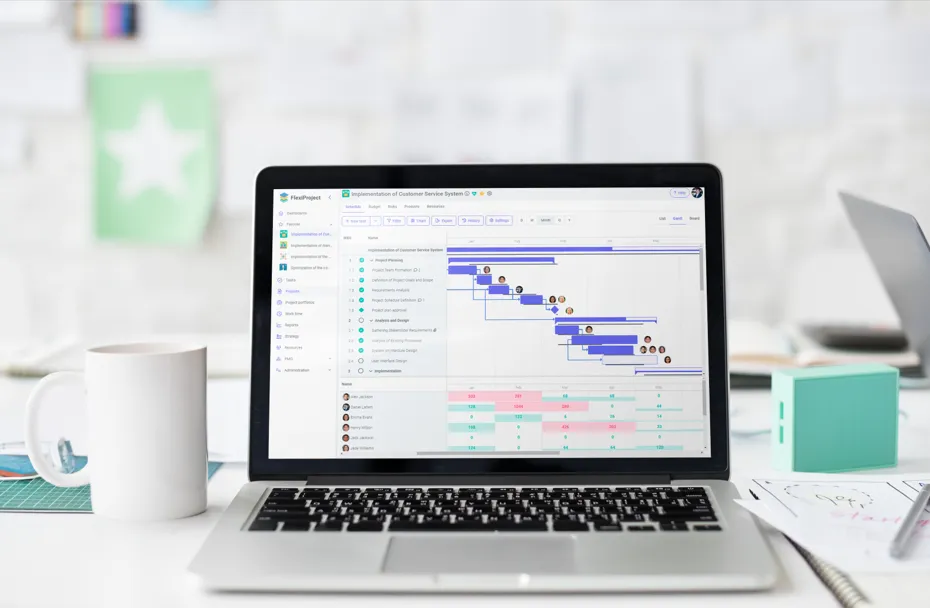
When Does Investment Become a Game-Changer?
In small teams, basic tools like spreadsheets, sticky notes, or simple task lists may still be adequate for day-to-day operations. However, as the business scales, manual project management methods often lead to inefficiency. When the number of concurrent projects increases, and when coordination across multiple departments or stakeholders is required, outdated approaches simply cannot keep pace.
The need for professional software becomes urgent when:
- Deadlines are frequently missed.
- Budgets are exceeded on a regular basis.
- Team oversight becomes difficult.
- Communication issues start to cause delays or mistakes.
Relying on manual processes at this stage typically only deepens the organizational chaos. Instead, investing in a dedicated project management system provides the structure and visibility needed to regain control.
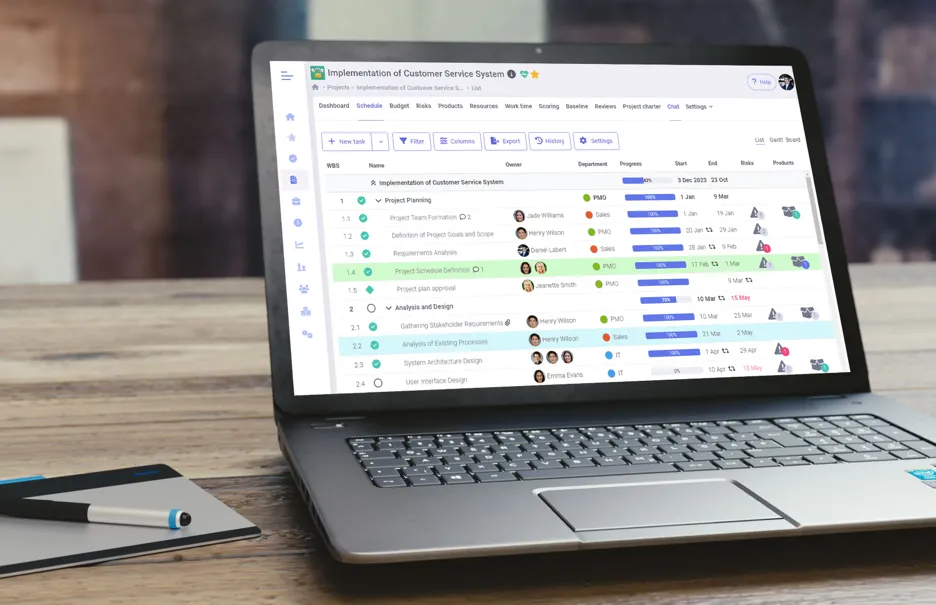
What Can You Gain from Project Management Software?
Implementing professional project management tools transforms the way teams operate. Processes that were once scattered across emails, chat apps, and spreadsheets become centralized and standardized. This makes planning, organizing, and monitoring progress not only faster but also far more transparent.
With the right solution in place, all four core stages of project execution – initiation, planning, execution, and closure – can be managed efficiently and consistently. The benefits extend beyond organization:
- Resource Allocation: Ensures the right people are working on the right tasks at the right time.
- Automation: Repetitive processes, such as reminders and reporting, are handled automatically.
- Advanced Reporting: Managers can track performance in real time and generate insights instantly.
- Risk Analysis: Built-in tools help identify potential risks early and propose mitigation strategies.
The result is less operational chaos, faster decision-making, and better-informed leaders. A central source of data also strengthens collaboration, reducing errors and ensuring that everyone is aligned on project goals. Ultimately, this translates into higher productivity, faster delivery of results, and a stronger competitive advantage.

Final Thoughts
The most profitable time to invest in project management software is when your current systems start holding you back. If delays, miscommunication, and budget overruns are becoming common, it’s a clear sign that manual methods are no longer enough. By adopting professional project management software, organizations can unlock efficiency, enhance collaboration, and stay competitive in a fast-paced market.
As organizations grow and projects become more complex, relying on basic tools like spreadsheets and email for project management quickly becomes inefficient. This article argues that investing in dedicated project management software is essential for ensuring smooth communication, effective resource allocation, and real-time progress tracking. The need for such a system becomes critical when manual methods lead to missed deadlines, budget overruns, and coordination difficulties.
The article also touches upon the 4 main phases of project implementation which include initiation, planning, execution, and closure. By centralizing processes and offering features like automation, advanced reporting, and risk analysis, professional project management tools enable teams to operate with greater transparency and control, ultimately boosting productivity and maintaining a competitive advantage.